Introduction
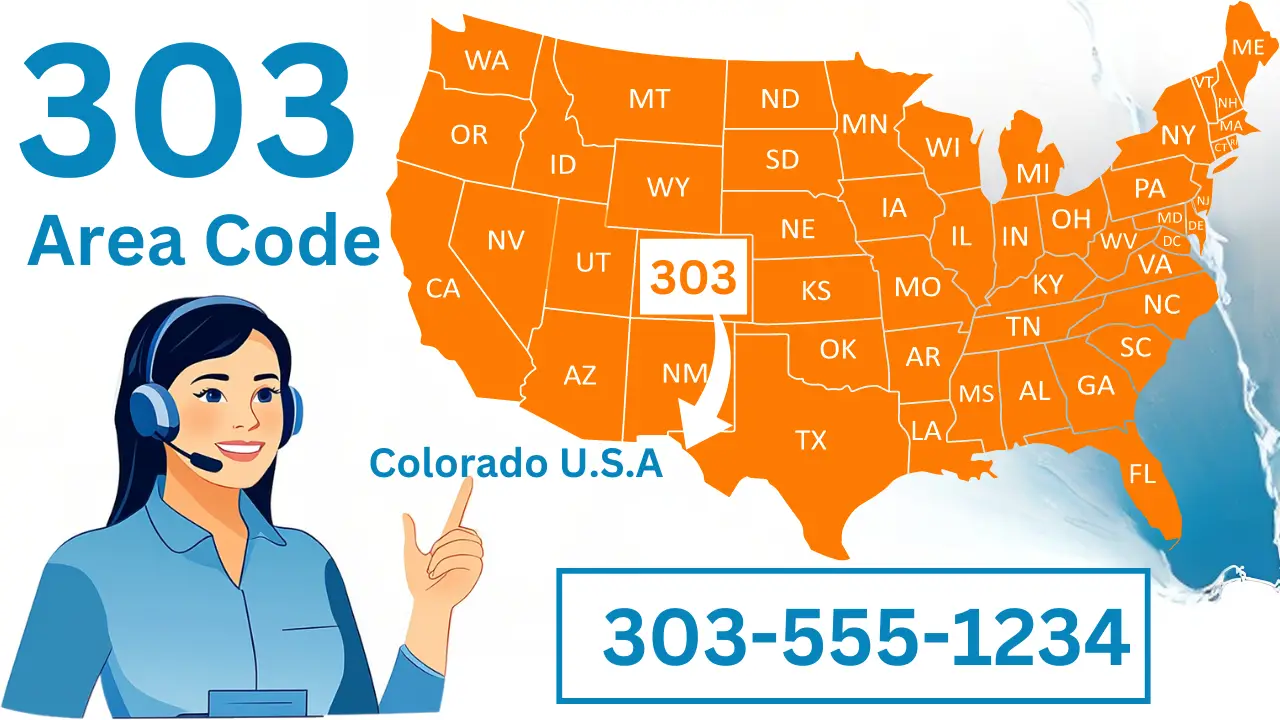
The 303 area code is one of the original area codes established in 1947. Today it stands as the primary identifier for Denver and the surrounding Colorado Front Range. It is one of the fastest-growing economic regions in the United States.
The 303 area code carries the pulse of a thriving state. That pulse runs from Denver's booming tech sector and top healthcare institutions.
It also runs through Boulder's innovation scene and Aurora's growing logistics hub. Colorado consistently ranks among the best states for business, quality of life, and economic growth.
You might be a Colorado-based business. You might be an out-of-state company targeting the Denver market. Or you might just be researching an incoming 303 call. Either way, this guide has you covered. It walks through everything you need to know.
- What the 303 area code is and which Colorado cities it covers
- Location and geographic coverage of the 303 region
- Economic benefits and notable industries in the 303 area
- Economic and demographic insights, including GDP, population, and key stats
- How to get a 303 area code phone number for your business
- Future developments and emerging trends for the 303 area code
What Is the 303 Area Code?
The 303 area code is a North American telephone area code assigned to the state of Colorado. It covers the central and eastern regions, including the Denver metro area.
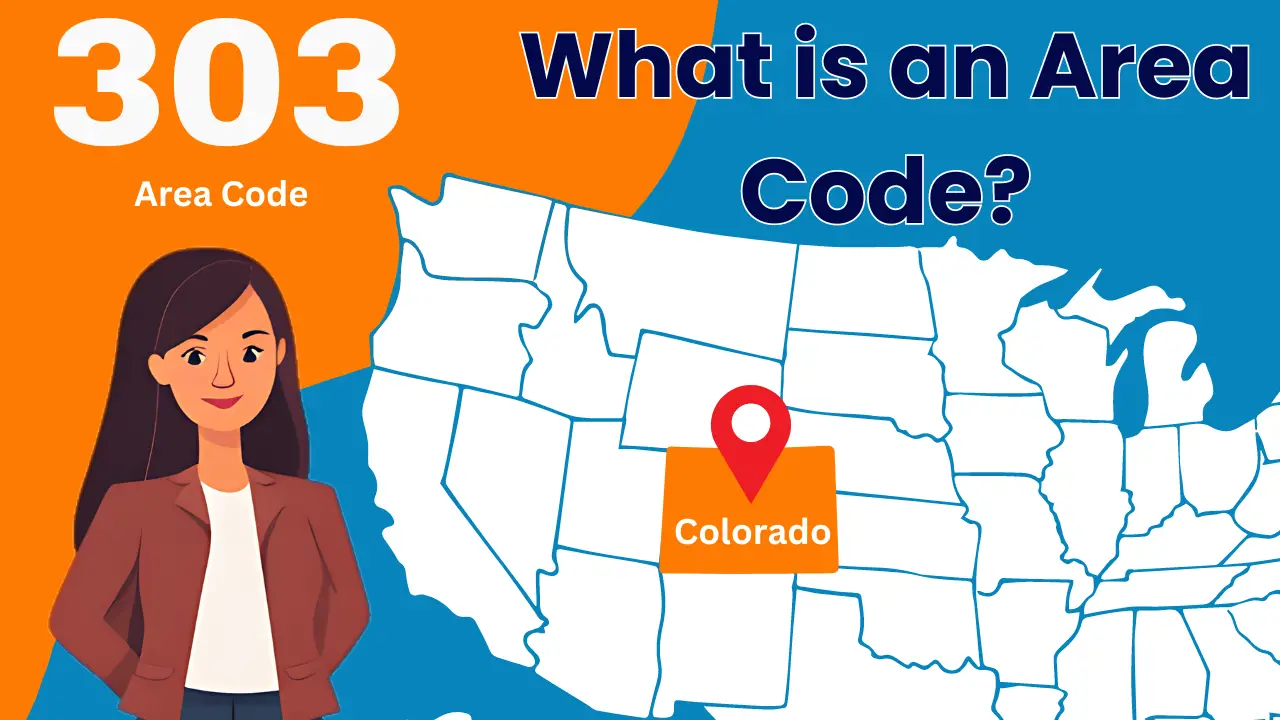
It was one of the original 86 area codes established in 1947 under the North American Numbering Plan (NANP). It originally covered the entire state of Colorado.
Colorado's population grew fast through the second half of the 20th century. So the original 303 footprint was split multiple times.
In 1995, area code 719 was created to serve southern Colorado. In 1998, area code 970 was introduced for western and northern Colorado.
The 303 area code was then concentrated around the Denver–Boulder corridor. In 2001, area code 720 was added as an overlay for the same Denver–Front Range region.
This met the huge demand driven by Colorado's tech boom.
Today, 303 and its overlay 720 together serve the Denver metro area. This makes 303 one of the most recognizable and valuable area codes in the Mountain West.
- State: Colorado (CO)
- Major cities: Denver, Boulder, Aurora, Lakewood, Littleton
- Time zone: Mountain Time Zone (MT) — MST UTC-7 / MDT UTC-6
- Overlay code: 720 (shares the same geographic region)
- Neighboring codes: 970 (western/northern CO), 719 (southern CO), 983 (new overlay)
- Approximate population served: 3+ million
Location and Coverage of the 303 Area Code
The 303 area code was established under the North American Numbering Plan. It covers the central and eastern portions of Colorado.
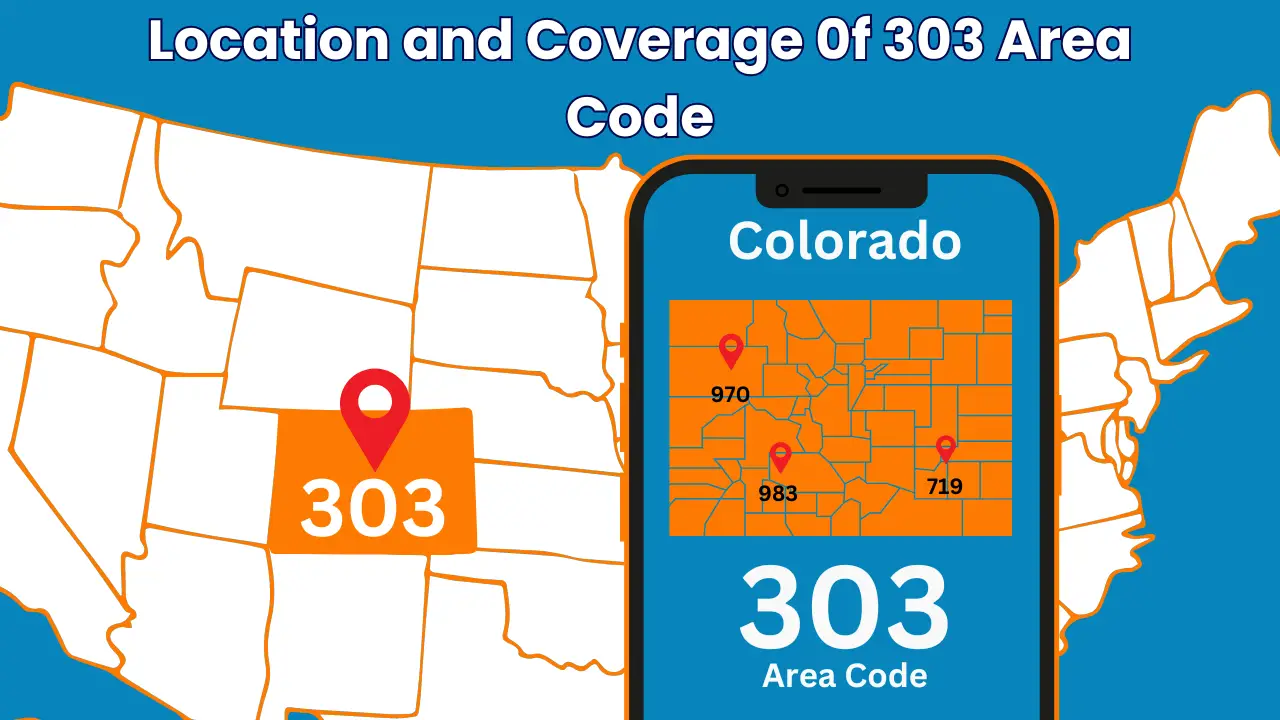
It is anchored by the Denver–Aurora–Lakewood metropolitan statistical area. This region sits at the base of the Rocky Mountains along the Front Range.
That corridor of cities stretches from Fort Collins in the north, through Denver, to Pueblo in the south.
The 303 area code serves the densely populated Denver metro core and its nearby counties. This makes it the heartbeat of Colorado's economic, cultural, and government activity.
- Denver (Denver County) — state capital, largest city, financial and tech hub
- Boulder (Boulder County) — university city, biotech and aerospace innovation center
- Aurora (Adams & Arapahoe Counties) — Colorado's third-largest city, logistics and healthcare hub
- Lakewood (Jefferson County) — major Denver suburb, federal government presence
- Littleton (Arapahoe County) — southern suburb, technology and aerospace corridor
- Neighboring codes: 970 (western/northern CO), 719 (southern CO), 720 (Denver overlay), 983 (new overlay)
Economic Benefits of the 303 Area Code
The 303 area code region is a powerhouse economic zone. It has grown from a mid-sized Mountain West city into a nationally recognized hub for technology, healthcare, and energy.
Denver consistently ranks among the top 10 US cities for business climate, startup activity, and workforce talent.
Having a 303 phone number tells customers, partners, and investors that your business is rooted in one of America's most dynamic, fast-growing markets. That regional significance is much like the 612 area code anchoring Minneapolis–St.
Paul. The credibility and local recognition that comes with a 303 number is a huge asset.
It matters most for businesses targeting Colorado's affluent, well-educated consumer base.
- Job Creation: The Denver metro creates tens of thousands of new jobs annually across tech, healthcare, and energy sectors
- Business Development: Denver ranked top 5 in the US for new business formation in 2025
- Increased Investment: Colorado attracted over $4 billion in venture capital in 2024
- Infrastructure Growth: Major investments in transportation, broadband, and 5G networks across the 303 region
- Tech Industry: Google, Amazon, Microsoft, and hundreds of startups maintain significant Denver operations
- Healthcare: University of Colorado Hospital and Children's Hospital Colorado anchor a major medical economy
- Tourism & Hospitality: Rocky Mountain National Park, skiing, and outdoor recreation drive billions in annual visitor spending
Economic and Demographic Insights
The 303 area code region covers the Denver–Aurora–Lakewood metropolitan statistical area. It is one of the most economically dynamic and diverse regions in the Mountain West.

Over the past decade, Colorado's economy has consistently outperformed the national average in GDP growth, job creation, and household income gains.
Understanding the economic and demographic profile of the 303 region matters for businesses making telecom and market entry decisions. It tells you exactly who your customers are and what they care about.
- GDP: Denver metro GDP exceeds $220 billion, ranking among the top 20 US metro economies
- Unemployment Rate: Approximately 2.5% — consistently below the national average
- Median Household Income: ~$83,000, well above the US median of $74,000
- Population: Over 3 million in the greater Denver metro area
- Education: 40%+ of adults hold a bachelor's degree or higher — one of the most educated workforces in the US
- Age: Median age of 36 — younger than the US national median, driven by young professional migration
- Diversity: Growing Hispanic, Black, and Asian communities contributing to a vibrant multicultural economy
- Key Industries: Technology, healthcare, energy (oil, gas, renewables), aerospace, financial services, and tourism
How to Get a 303 Area Code Phone Number
Getting a 303 area code phone number is easy. This holds true whether you run a Colorado-based business or an out-of-state company wanting a Denver presence. With modern VoIP technology, you do not need to be physically in Colorado to own a 303 number.
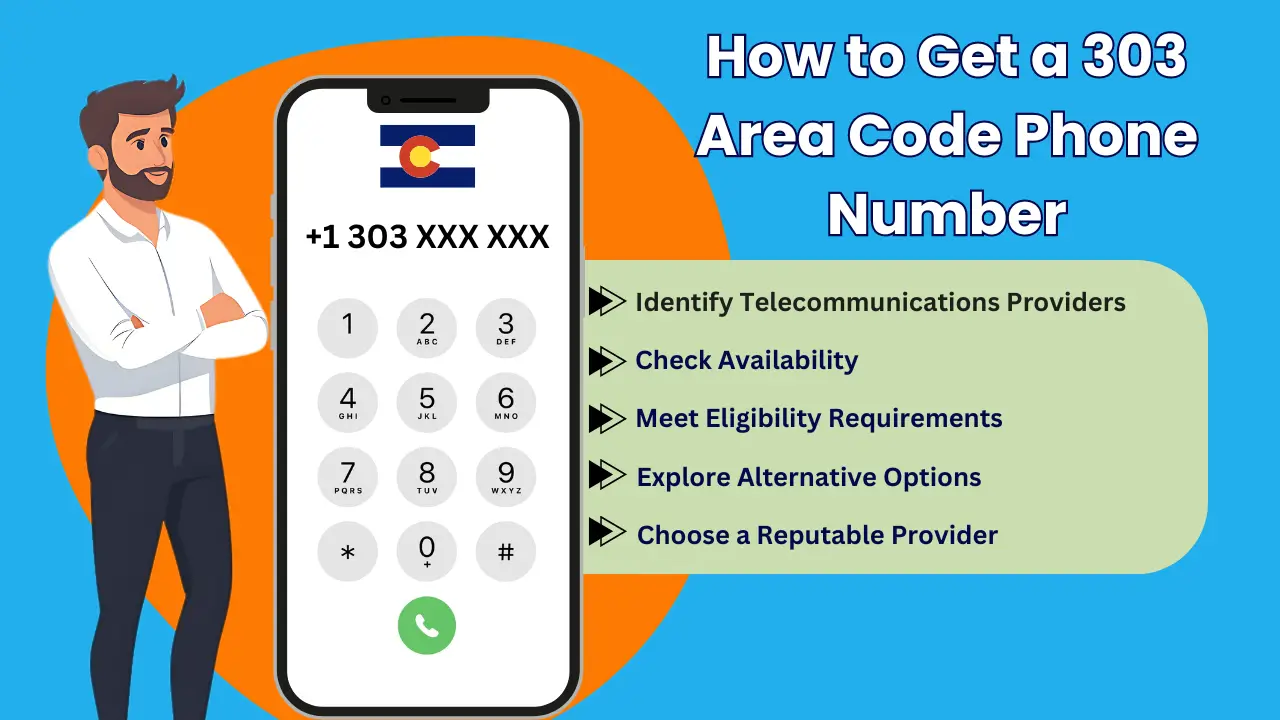
Step 1 — Identify Telecom Providers: Research providers offering 303 virtual numbers. Options include traditional carriers (AT&T, Verizon, T-Mobile, Comcast Business) and VoIP platforms (Teloz, RingCentral, OpenPhone, Nextiva).
Step 2 — Check Availability: Use the provider's number search tool to browse available 303 numbers. With 303 and its 720 overlay both active, inventory is generally easy to find.
Step 3 — Meet Eligibility Requirements: Traditional carriers may require proof of a Colorado address. VoIP providers like Teloz issue 303 numbers to businesses anywhere in the world, with no residency requirement.
Step 4 — Explore Alternative Options: Consider number porting if you already have a 303 number with another carrier. Teloz supports smooth number porting with zero downtime.
Step 5 — Choose a Reputable Provider: Pick a provider with reliable uptime, strong customer support, advanced features (IVR, call recording, analytics), and fair pricing. Teloz offers 303 virtual numbers starting at $19.99/month with instant activation.
“The 303 area code is more than a phone prefix — it is the dialing identity of Denver and Colorado's Front Range, one of America's most dynamic, innovative, and fastest-growing economic regions.”
Future Developments in the 303 Area Code
Colorado's population growth and business expansion keep placing more demand on the 303 number inventory. Several key developments are shaping the future of telecom in the 303 region.
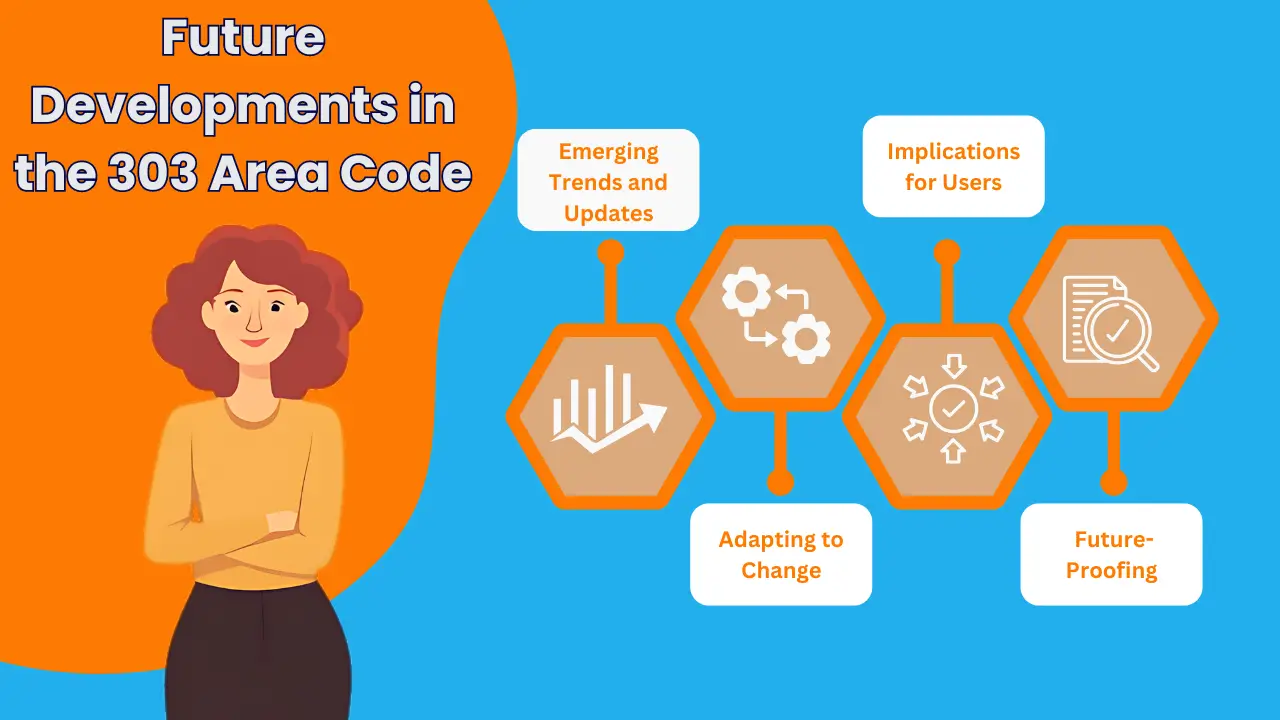
- New Overlays: NANPA has already introduced 983 as a new overlay for the Denver region to supplement 303 and 720 as inventory tightens
- 5G Expansion: All major carriers are aggressively deploying 5G across Denver and Boulder, dramatically improving call quality and data speeds for 303 number users
- Emerging Trends: Increased adoption of cloud PBX, AI-powered call routing, and virtual contact centers among 303-based businesses
- Adapting to Change: Businesses should update marketing materials to accommodate 10-digit dialing requirements and prepare for potential new overlay codes
- Implications for Users: New overlay codes will not affect existing 303 numbers — your established number retains its value and recognition
- Future-Proofing: Choosing a VoIP provider like Teloz ensures your 303 number travels with you across devices, platforms, and future network upgrades
Conclusion
The 303 area code has been Colorado's telecom backbone since 1947. It has evolved from a statewide code into the exclusive identifier of Denver's thriving metro corridor.
The region boasts a GDP exceeding $220 billion and a population of over 3 million highly educated residents. Its business climate consistently ranks among the best in the nation.
That combination makes it one of the most valuable local phone presences a business can have. You might be a Denver-based startup or a national company targeting Colorado's affluent market.
Or you might be a remote team wanting a local Front Range presence. Either way, a 303 virtual number from Teloz can help.
It gives you instant credibility, advanced communication features, and a direct link to one of America's most exciting growth markets.


