Introduction
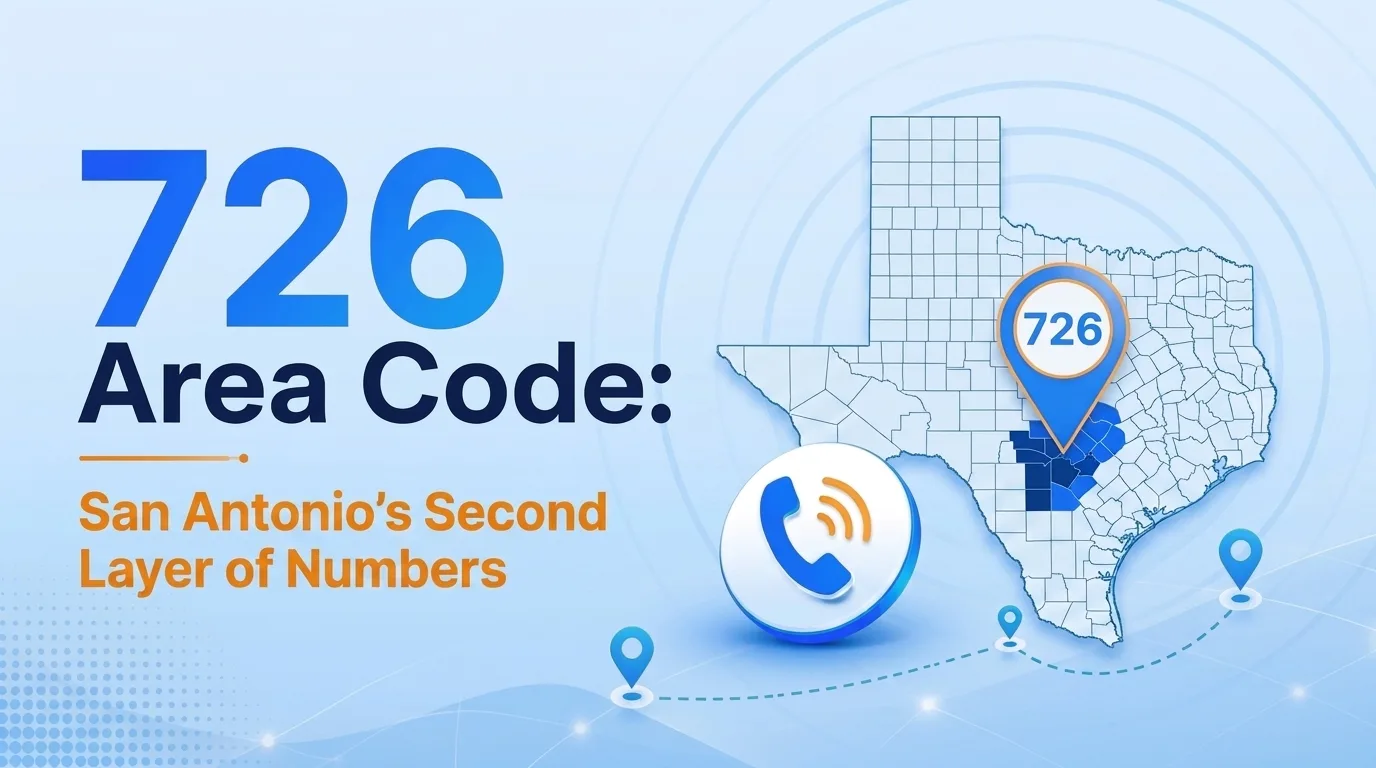
The 726 area code identifies calls across San Antonio and Bexar County, and it exists because the original 210 numbering plan needed reinforcement as the city kept growing.
Anyone doing business or living in San Antonio has almost certainly dialed or received a call under this newer prefix.
This guide explains where the 726 area code reaches, why it shares its entire territory with area code 210 instead of covering separate ground, and how to tell a genuine local call from a spoofed one.
It also covers the practical details: which time zone governs the region and what it actually takes to set up a working business line under this prefix, whether you already live here or are simply setting up a new presence in the market.
Stick around, because the story behind these three digits explains how San Antonio keeps issuing fresh phone numbers today.
- The 726 area code went into service in October 2017 as an overlay layered directly onto area code 210, not a replacement for it.
- It shares its entire footprint with 210, covering San Antonio and 22 surrounding municipalities across Bexar County.
- Every community under this area code operates on Central time, same as the rest of south-central Texas.
- Knowing what area code is 726 helps residents and business owners recognize genuine San Antonio calls.
San Antonio's Second Numbering Layer
The 726 area code covers the exact same ground as area code 210, stretching across San Antonio and Bexar County along with 22 neighboring municipalities.
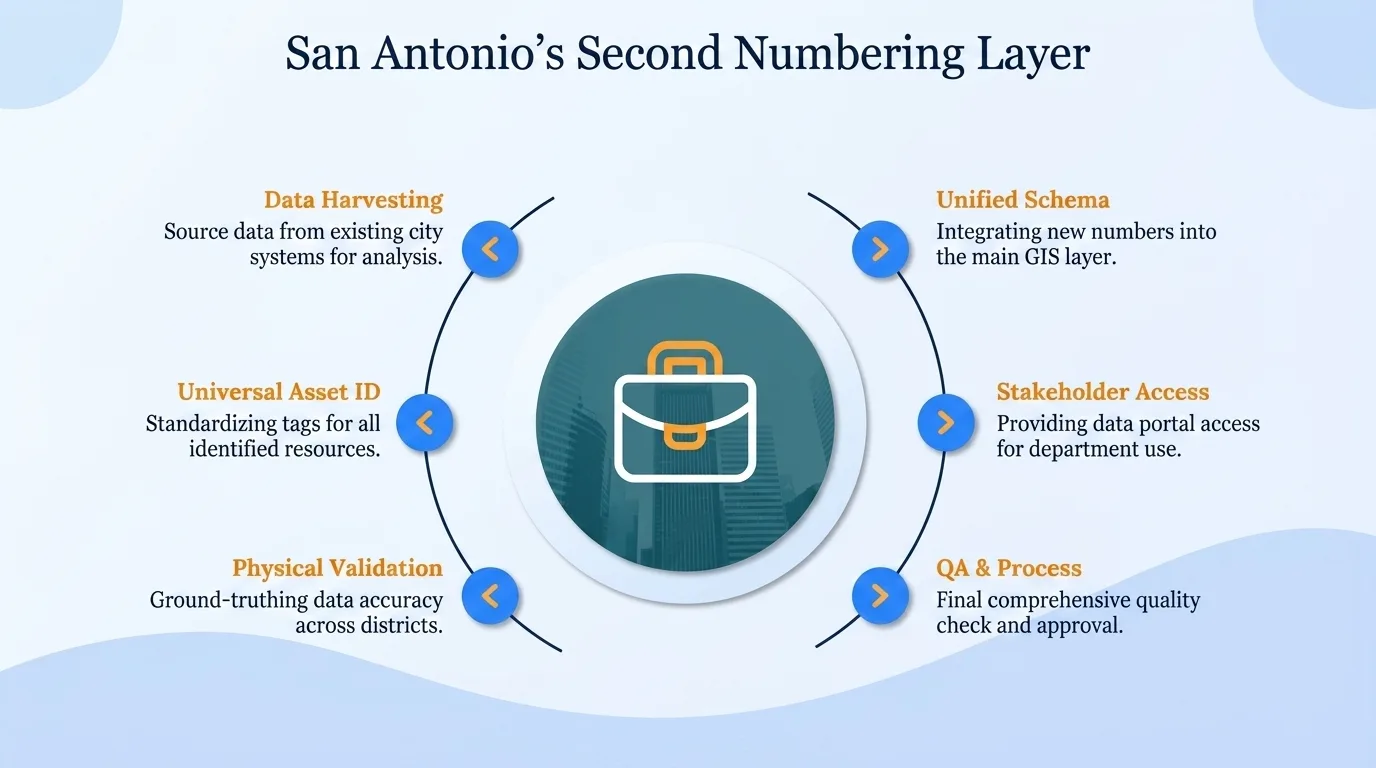
It does not carve out its own separate region; instead, it layers directly on top of the territory 210 has served since 1992. That overlay arrangement makes San Antonio one of the more layered numbering regions in the entire state.
Communities Sharing This Prefix
- San Antonio, anchoring the region as one of the largest cities in Texas
- Alamo Heights and Universal City, covering the inner-ring suburbs
- Converse and Schertz, serving the fast-growing northeastern edge
- Leon Valley and Balcones Heights, filling out the western side of Bexar County
Because the 726 area code shares its entire footprint with 210 instead of covering its own separate slice of the map, a 726 area code number can serve any business anywhere in the region just as well as a 210 number would. A caller in downtown San Antonio and a caller in Schertz both dial under the exact same rules, since both codes treat the whole territory as one shared calling area. That consistency is part of why understanding this overlay matters more here than it would in a region with only one area code.
Why San Antonio Needed a Second Code
Area code 210 went into service in November 1992, splitting away from the older 512 code that had served south-central Texas since 1947.
Rapid population growth, combined with the explosion of cell phones, fax lines, and business numbers, pushed that numbering plan toward exhaustion faster than regulators expected by the 2010s.
Planners eventually concluded that only a fresh overlay code could keep pace with the volume of new numbers San Antonio still needed every year.
An Overlay Instead of Another Split
Regulators added 726 as an overlay in October 2017 rather than splitting San Antonio into two separate area codes again. That decision meant no existing 210 customer had to change their number, since both codes now issue new numbers side by side across identical geography. Ten-digit dialing became mandatory across the region once the overlay took effect, a smaller adjustment than a full geographic split would have required. Businesses that had built years of brand recognition around their original 210 number never had to reprint materials or notify customers of any change.
The Time Zone Behind Every San Antonio Call
Every community inside the 726 area code operates on Central time, observing daylight saving right alongside San Antonio and the rest of south-central Texas.
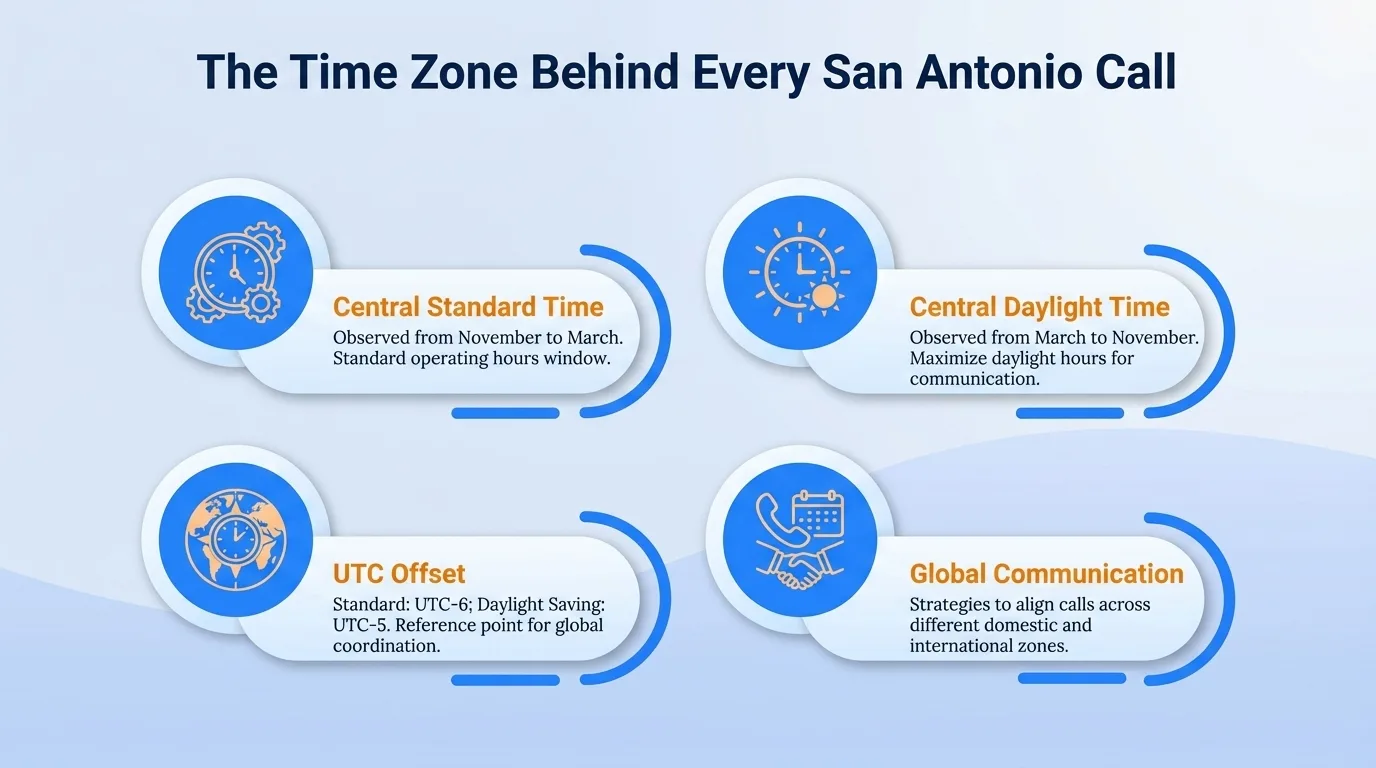
That shared time zone keeps scheduling simple for businesses, since a call placed at 9 a.m. in San Antonio lands at 9 a.m. in Converse without any conversion.
Companies coordinating deliveries, appointments, or support calls across Bexar County never have to double-check a client's local hour, so a dispatch scheduled from downtown San Antonio lines up exactly with a crew working near Schertz.
📞 Wondering if your San Antonio business sounds as local as it actually is? A matching local number answers that question the moment a customer sees it on caller ID. 👉 Start Your Free Teloz Trial · 👉 Get Your Business Local Number Today
How to Get a Business Phone Number from Teloz
Teloz gives growing businesses a cloud-based phone system that runs entirely in the browser, with no bulky hardware to install or maintain on-site.
A company can claim a 726 area code number, route incoming calls through a built-in AI receptionist, and manage every text and voice conversation from one connected dashboard.
Teloz is built for teams that want a genuine San Antonio presence without ever opening a physical office in Texas, whether that team sits across town or across the country.
- 1. Visit the website and start a free trial or request a live demo.
- 2. Create your account using your business email address.
- 3. Choose a plan that fits your team's size and expected call volume.
- 4. Select your business number and pick a 726 area code, a toll-free prefix, or a local number elsewhere.
- 5. Set up your team, call routing, and IVR menu right inside the browser dashboard.
- 6. Configure the AI receptionist, voicemail transcription, and SMS settings to match your workflow.
- 7. Start making and receiving calls immediately from the webphone or any connected device.
Recognizing a Spoofed 726 Caller ID
The 726 area code itself is entirely legitimate, used daily by real San Antonio residents, hospitals, and small businesses across Bexar County.
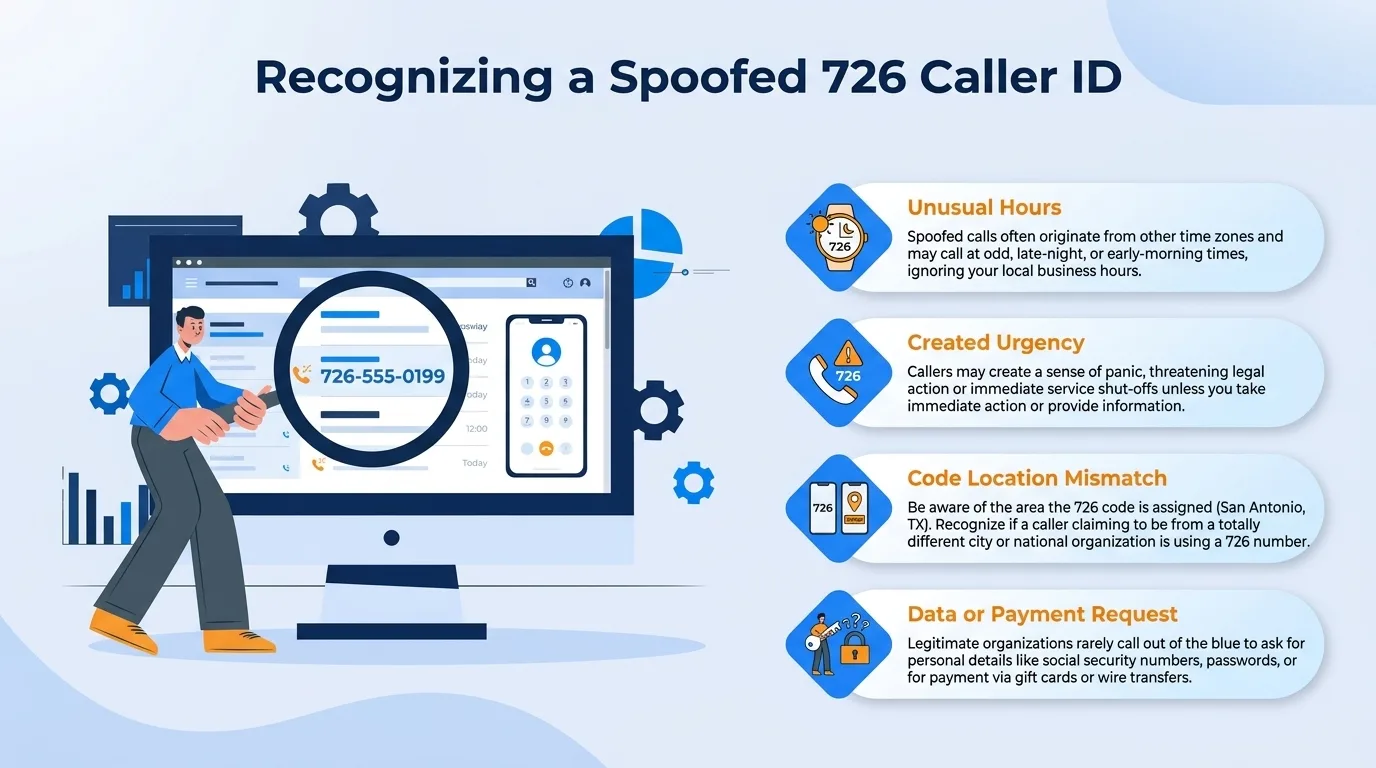
Scammers know that reputation, which is why they spoof 726 caller IDs to make fraudulent calls look local and trustworthy. The digits on the screen never tell the full story; the behavior of the caller does.
Signals That Something Isn't Right
- Urgent demands to pay a bill immediately or face disconnection
- Requests for gift cards, wire transfers, or cryptocurrency payment
- Callers claiming to be law enforcement or a utility company demanding personal details
- One-ring calls designed to trigger a costly callback
Simple Ways to Protect Yourself
Treat any unexpected call under the 726 area code with the same caution you would use anywhere else in the state. According to the Federal Communications Commission, scammers routinely fake caller ID information to disguise their real location, so the area code alone never confirms who is calling. Hang up and dial the official number on a bill or website instead, especially whenever the request involves money or personal information, and let unfamiliar numbers go to voicemail until you can verify them. A legitimate business calling under this area code will never pressure a customer into paying instantly or sharing a one-time verification code over the phone.
“This is not a random three-digit prefix — it is San Antonio's newer shared calling identity, layered onto 210 to keep Bexar County's numbers flowing.”
What a 726 Phone Number Tells Local Customers
Businesses that serve San Antonio or the rest of Bexar County gain something real by matching their number to an area code locals already recognize.
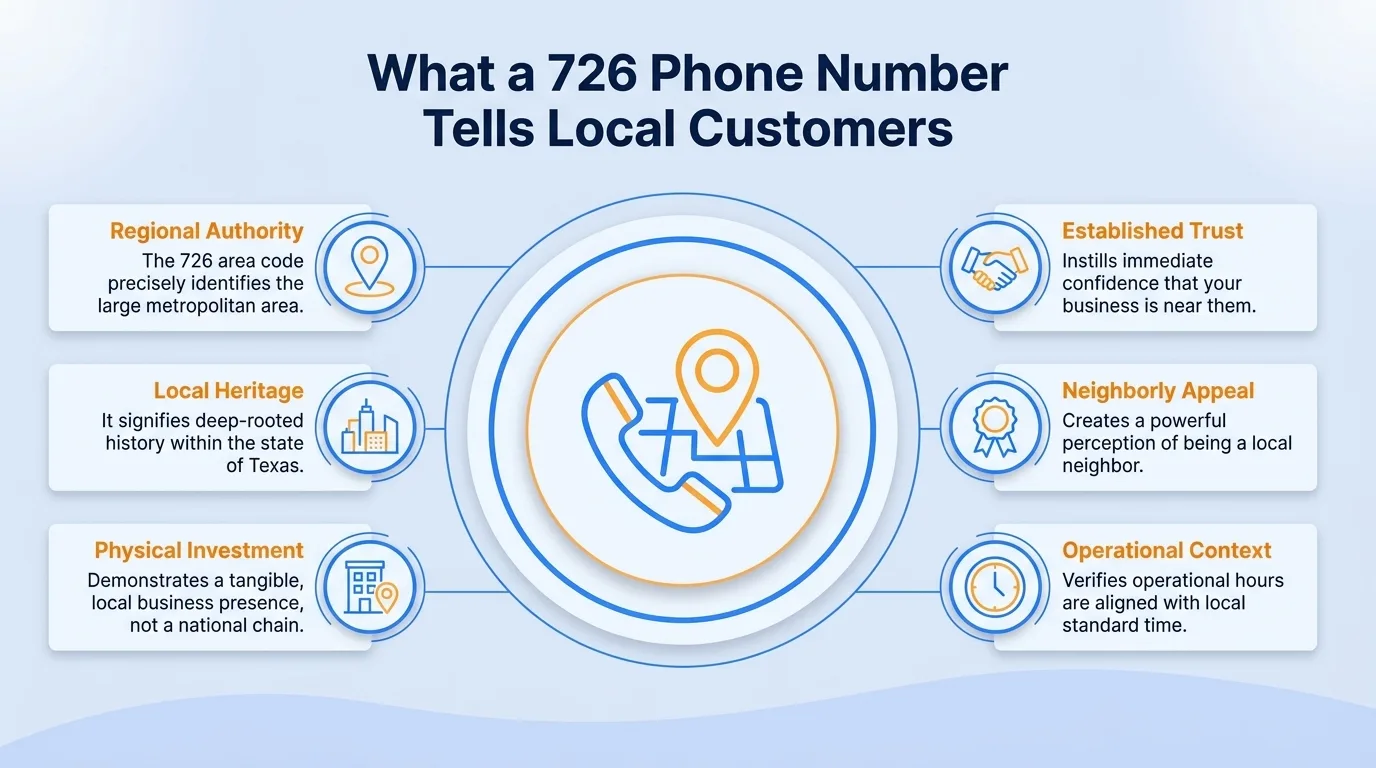
Callers answer faster, trust faster, and refer their neighbors faster once they see this area code on the screen instead of an unfamiliar toll-free line.
A 726 phone number tells a customer here something simple: this business understands San Antonio and is easy to reach.
Local Digits Versus a Distant Toll-Free Line
A toll-free number still makes sense for national brands chasing recognition everywhere at once. A 726 phone number instead tells a caller in Schertz or Universal City that the company on the other end is part of their own community, not a distant call center somewhere else. For local service businesses especially, that distinction often decides whether the phone gets answered at all, and it can quietly shape how quickly a first-time caller becomes a repeat customer. A cloud-based platform makes claiming that identity simple, even for a team that has never set foot in San Antonio.
Conclusion
The 726 area code is more than a random string of digits; it is San Antonio's newer shared calling identity, layered onto area code 210. It went into service in 2017, giving the region fresh numbers without forcing anyone to change an existing one.
Every community here still shares Central time with the rest of south-central Texas, keeping scheduling simple across the whole region. Understanding what area code is 726 helps residents and business owners alike recognize who is genuinely calling from home.
San Antonio businesses that want to be taken seriously locally should treat area code 726 as more than an afterthought.
A matching 726 area code number signals real roots in the community, while a smart platform behind it keeps every call, text, and voicemail organized in one place.
Claiming that 726 phone number and building that trust takes only a few minutes, from signup to your very first answered call.
Whether you are protecting yourself from a spoofed call or launching a new business line, the next step in San Antonio starts with the right number.
📍 Ready to give your San Antonio business a number locals instantly recognize?
A verified 726 area code number paired with call authentication keeps your caller ID clean. 👉 Start Your Free Teloz Trial · 👉 Claim Your 726 Number Today


