Introduction
Every year, TikTok floods with new lists of "scary numbers to call" — phone numbers rumored to connect the curious to demons, ghosts, killers, or worse. Some go viral for a weekend and disappear.
Others get millions of views and stay in the cultural consciousness for years. Most are fiction, born from urban legends, Reddit threads, and creepypasta forums.
A few connect to real people who have been harassed for years by curious callers. And some route to something far more mundane and far more dangerous: actual scam operations run by criminals.
This guide walks through the most famous scary numbers to call in internet culture, explains where the phenomenon came from, and shows you the real risks that matter — plus what actually protects you.
- Where the scary phone number craze originated — Reddit, YouTube, and TikTok's viral loop
- The most famous urban legend phone numbers in internet culture and what they actually are
- Why these numbers go viral every fall and the psychology behind it
- The real scary phone numbers: scam operations using caller ID spoofing
- How STIR/SHAKEN protects you from spoofed calls
- Simple rules that block most phone-based fraud today
Where the "Scary Numbers to Call" Craze Came From
The idea of a "cursed" or "haunted" phone number dates back to the earliest days of telephones — 20th-century urban legends about party lines connecting to dead relatives and suspicious late-night calls.
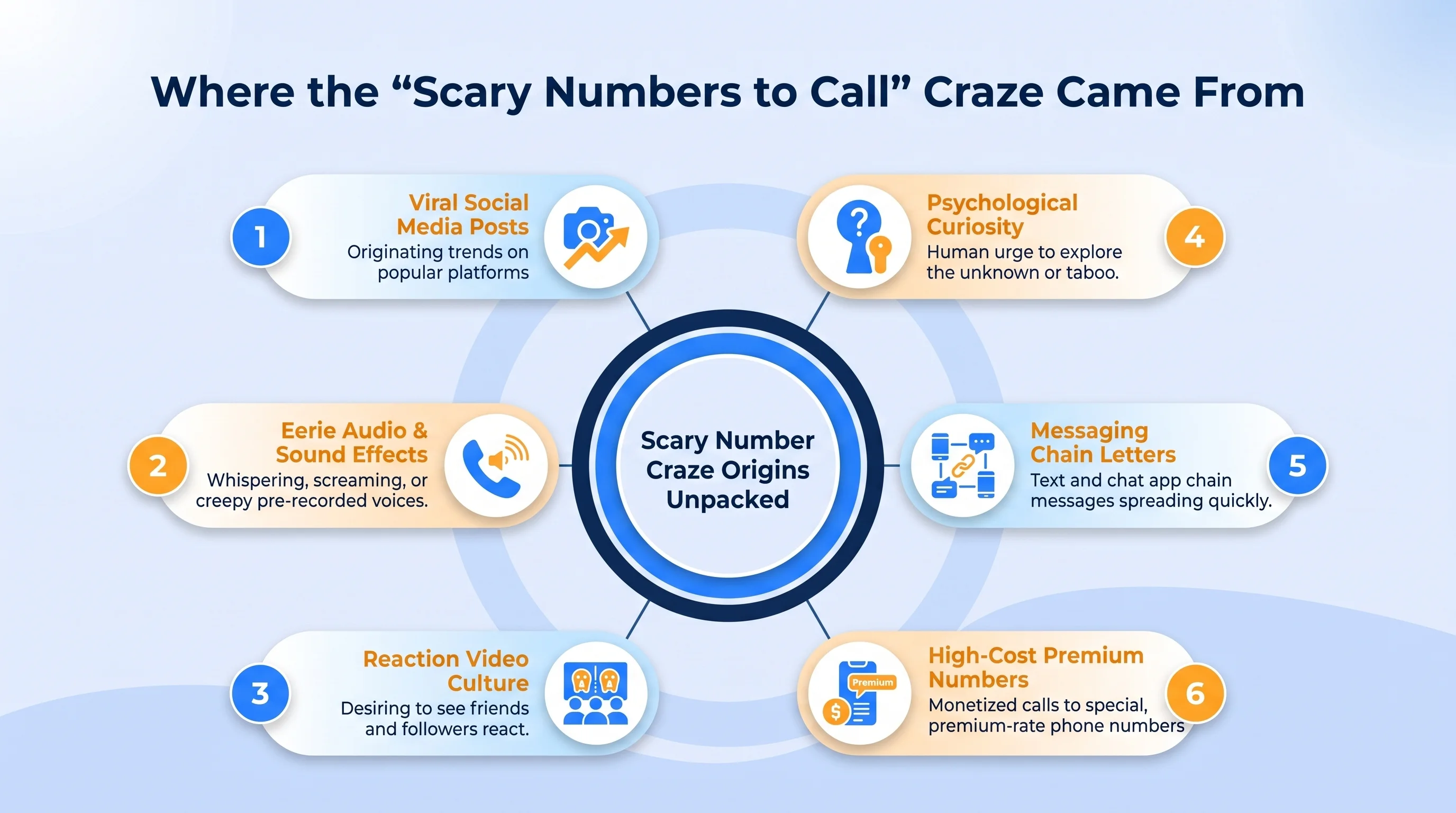
But the modern scary numbers to call phenomenon exploded in the 2010s, fueled by three internet forces:
- Reddit's r/creepypasta and r/nosleep — where users share fictional horror stories often featuring specific fake phone numbers
- YouTube "3 a.m. call these numbers" challenge videos — reaction content that generated millions of views by dialing supposedly cursed numbers on camera
- TikTok's "don't call this number" trend — 15-30 second clips warning viewers about specific numbers, which paradoxically drives more traffic to them
The Most Famous Urban Legend Phone Numbers
A handful of numbers have earned true legendary status in the scary numbers to call mythology. Most are fictional, disconnected, or attached to fake voicemail recordings.
The most cited creepy phone numbers in internet culture:
- The Red Numbers — allegedly linked to unexplained deaths in Bulgaria; became a global urban legend after 2010 news reports
- Sadako's Number — a fictional Japanese number from the horror film The Ring that reappears in fan videos
- The Bloody Mary Number — supposedly connecting to a Victorian-era ghost; almost always disconnected or fake voicemail
- The Grifter Number — associated with a fictional creepypasta about a cursed video; the number itself is not real
- The Zozo Demon Number — tied to Ouija board urban legends
- "Don't Call After Midnight" numbers — various TikTok-trending numbers with vague warnings
Why These Numbers Go Viral
The scary numbers to call phenomenon has staying power because it hits several psychological triggers at once.
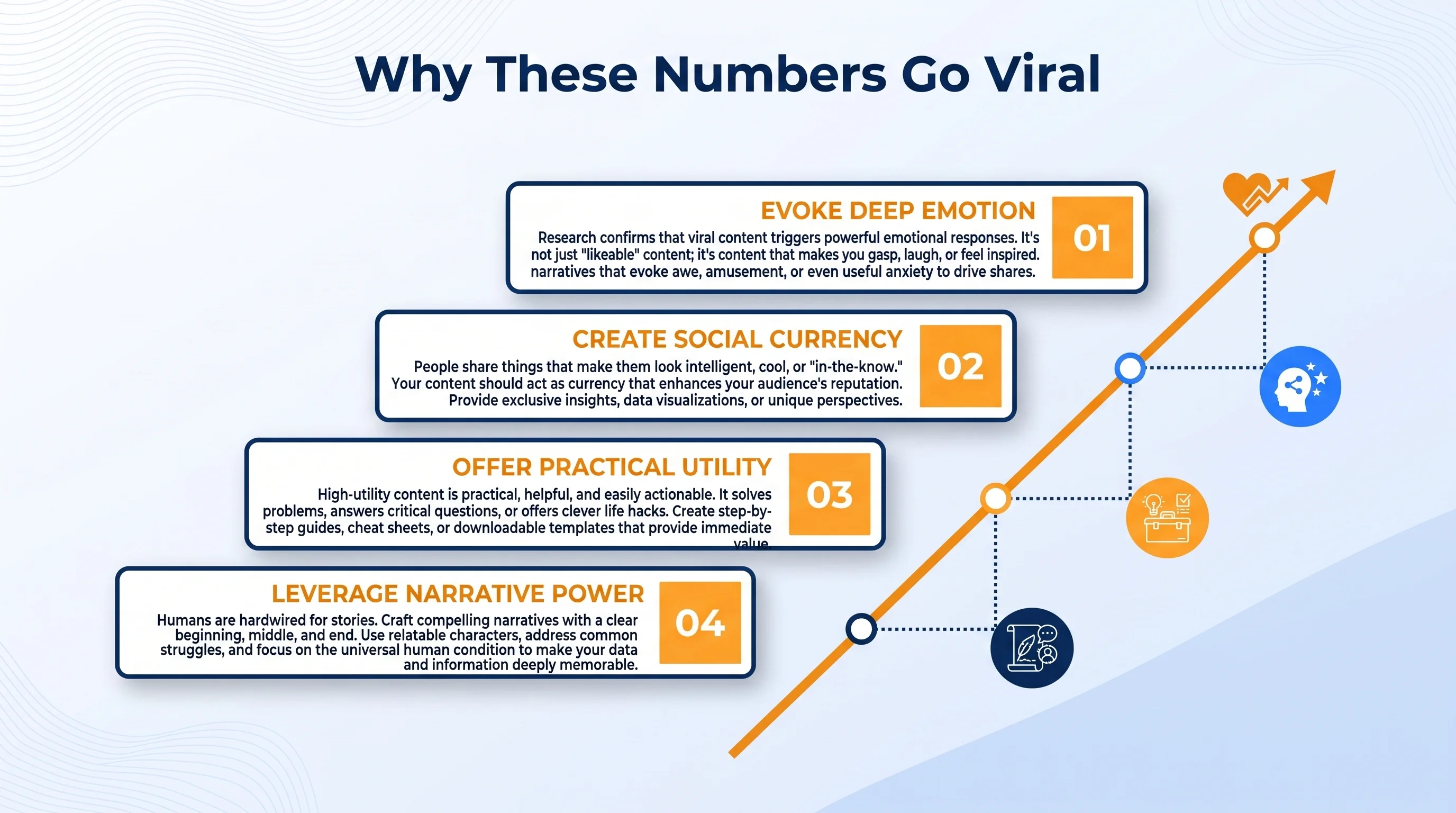
Four reasons these lists dominate viral cycles:
- Low-commitment thrill — calling a number takes 5 seconds and feels like a controlled way to experience something scary
- Social proof from reaction videos — creators show "creepy" outcomes, which makes viewers curious to try themselves
- The forbidden effect — "don't call this number" content beats "call this number" content because reverse psychology works
- Halloween seasonality — every October, these lists resurface, generating fresh viewers each year
The Real Scary Numbers: Scam and Robocall Threats
While urban legend phone numbers are almost always harmless fiction, real scary phone numbers exist — and they are a genuine risk. According to FCC data, US consumers receive an estimated 5 billion robocalls per month.
Some are legal sales and service calls placed through legitimate cloud contact center software. Many more are scams designed to steal money, personal data, or account access.
The actual scary numbers you should worry about:
- IRS or tax authority impersonators — threatening arrest unless you pay by gift card
- Social Security scam calls — claiming your SSN is suspended and demanding verification
- Utility disconnect threats — pressuring immediate payment for supposedly overdue bills
- Grandparent scams — impersonating relatives claiming an emergency
- Tech support scams — pretending to be Microsoft, Apple, or an antivirus vendor
- Romance and cryptocurrency scams — long-form manipulation targeting isolated victims
How Caller ID Spoofing Makes Scary Numbers Possible
Caller ID spoofing is the technical trick that powers most modern phone scams — and it's also what makes the scary numbers to call phenomenon possible.
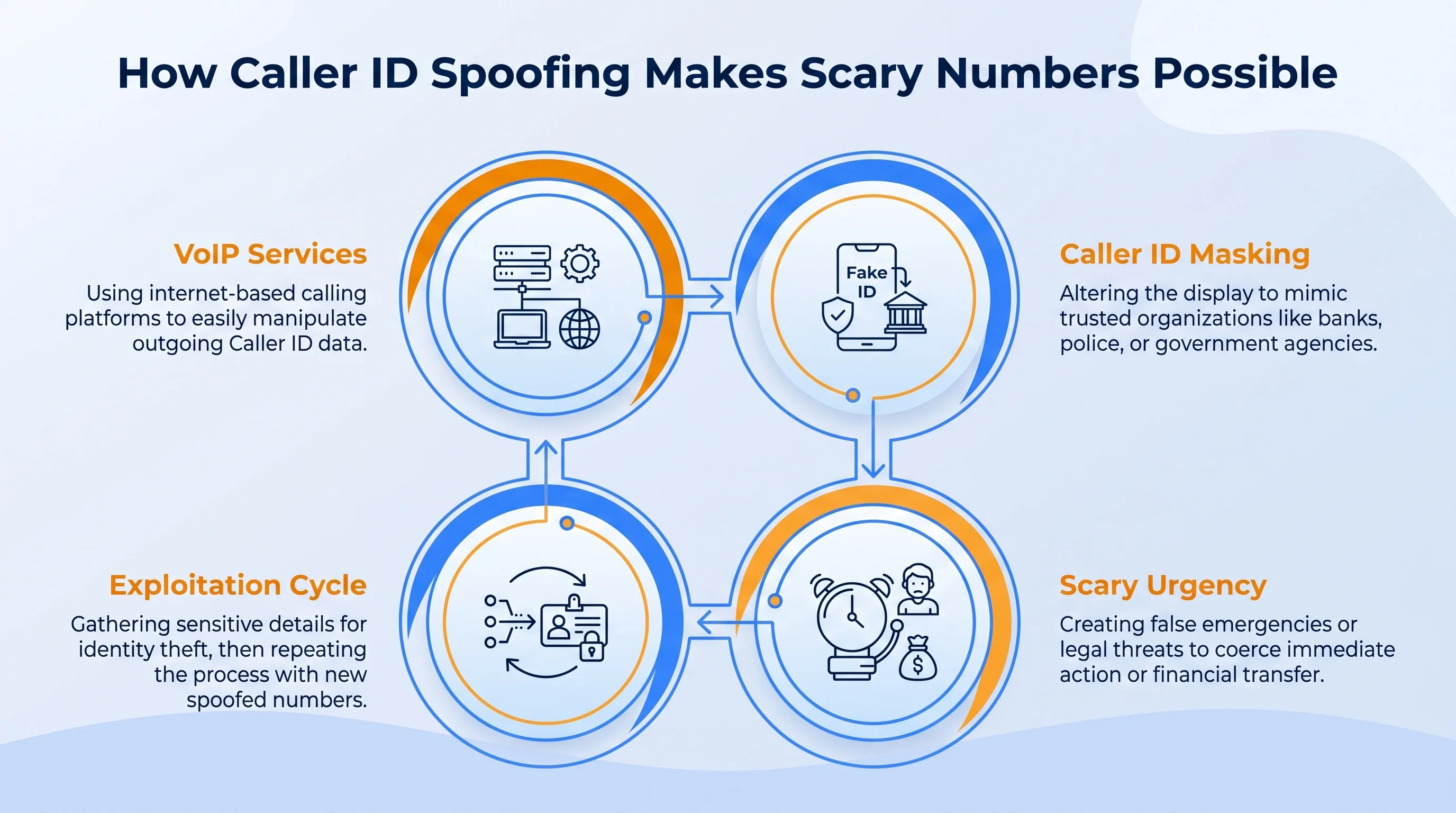
This is exactly why the FCC mandated STIR/SHAKEN — a cryptographic framework that lets carriers verify whether a caller ID is genuinely associated with the source of the call.
How spoofing works:
- Scammers configure their calling equipment to send a fake caller ID with each outbound call
- The receiving carrier displays whatever number is presented
- Without call authentication, there is no way for the receiving carrier to verify the caller ID
- The same number can be used by thousands of unrelated scammers on the same day
“The genuinely scary phone numbers are the ones designed to feel familiar — spoofed caller IDs that impersonate your bank, the IRS, or a local area code you trust.”
How to Stay Safe from Actually Dangerous Phone Calls
The real safety advice for scary phone numbers has nothing to do with urban legends. It's about protecting yourself from spoofed scams.
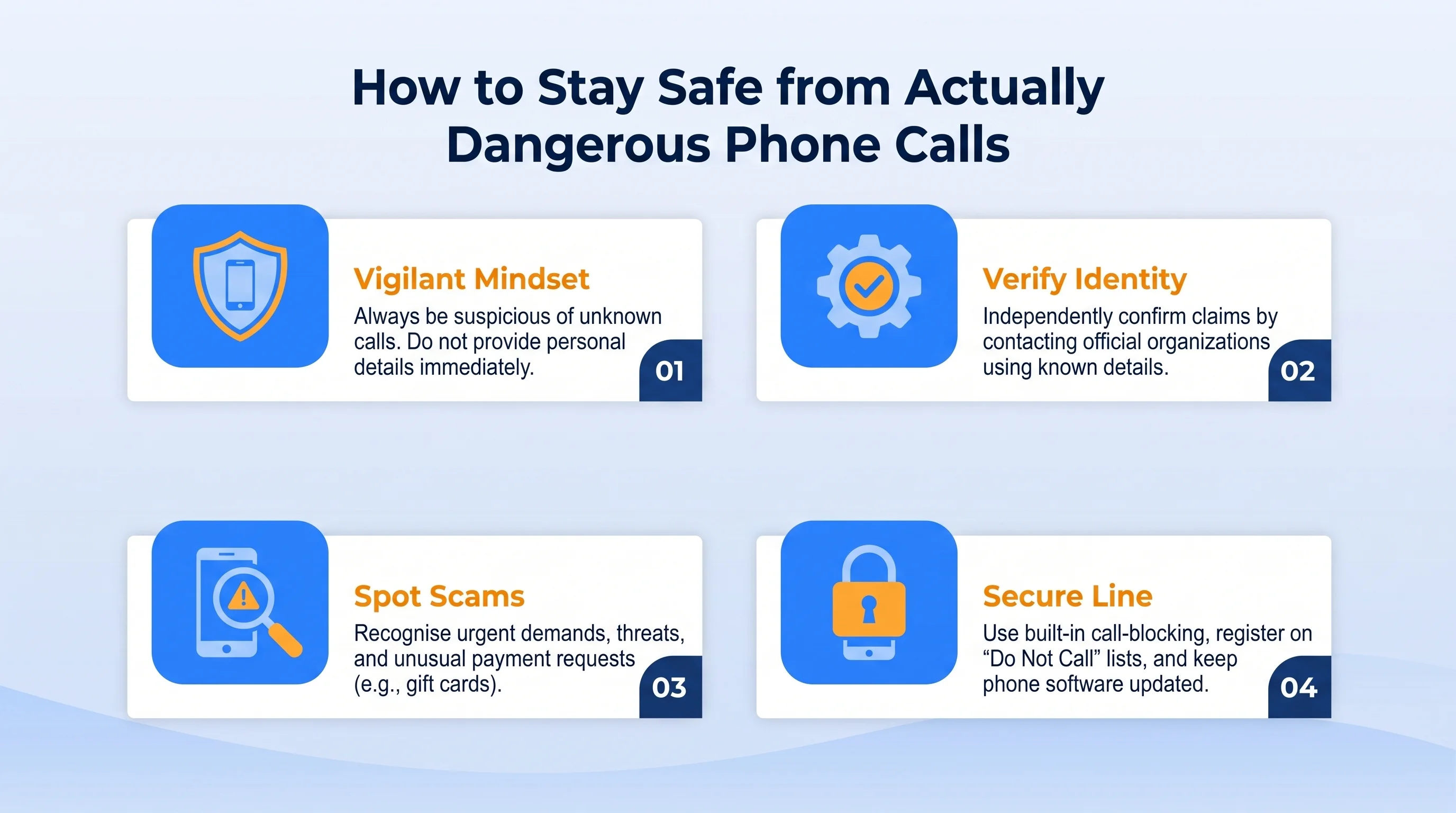
Business owners have an additional responsibility: ensuring their own outbound calls pass authentication through STIR/SHAKEN and wholesale VoIP compliance so they are never mistaken for a scam.
Simple rules that block most phone-based fraud:
- Never call back an unknown number that only rang once — it's a common one-ring scam
- Don't confirm personal information to any caller who reached you unsolicited
- Assume urgency equals fraud — legitimate agencies never demand payment by gift card, wire transfer, or crypto
- Hang up and call the real number — look up the organization's official number and call it directly
- Use your carrier's call-blocking tools — most major US carriers offer free spam filtering
- Enable STIR/SHAKEN verification display on your smartphone to see the Verified badge on clean calls
- Register with the National Do-Not-Call registry — imperfect, but eliminates many legitimate telemarketers
Conclusion
The scary numbers to call phenomenon is one of the internet's most persistent urban legend genres — half folk culture, half viral entertainment, and mostly harmless.
But hiding underneath the fictional creepypasta numbers are the real scary phone calls: scams built on caller ID spoofing, robocalls that trick millions, and fraud operations targeting the vulnerable.
The best defense is not avoiding urban legends but understanding how legitimate call authentication works.
If you run a business and want your calls to always ring as Verified and never get mistaken for scary or scam numbers, Teloz builds STIR/SHAKEN compliance into every route at teloz.com.


