Introduction
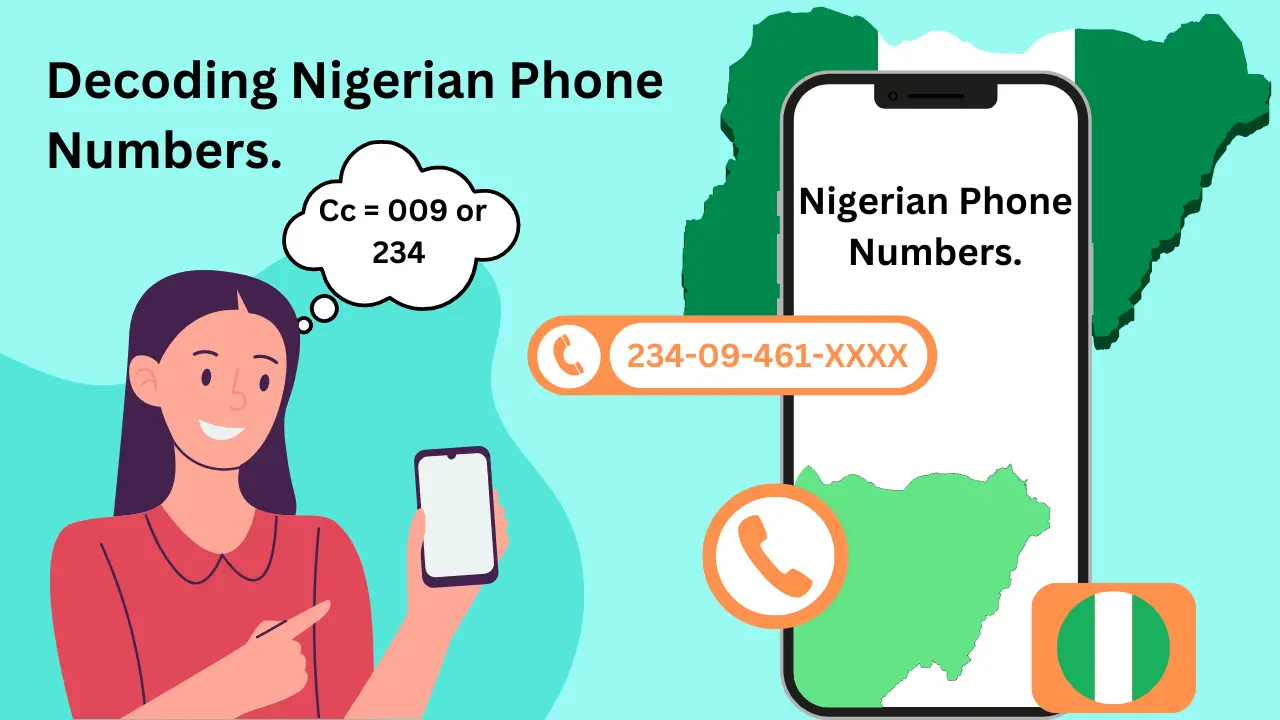
Nigeria's phone numbering system plays a key part in daily calls for people and businesses. From personal chats to business work, phone numbers support the nation's phone network.
Providers like Teloz give VoIP services and help route calls across networks and borders.
This guide shows how Nigerian phone numbers work in a clear, simple way. It covers mobile and landline formats, network prefixes, who oversees the rules, and new trends in the field.
Whether you live in Nigeria, run a growing business, or call from overseas, this article can help. It shows you how to work with Nigeria's phone system with ease.
- Nigerian mobile numbers follow a standard 10-digit format
- Landline numbers vary in length based on location
- Major networks include MTN, Glo, Airtel, and 9mobile
- Mobile Number Portability lets users keep their numbers
- Nigeria's country code is +234
- SIM registration is a must for safety and following the rules
- The NCC oversees numbering and phone service work
- New tech like 5G and IoT are shaping the future
Structure of Nigerian Phone Numbers
Nigeria uses a clear, well-set-up numbering system built to support solid calls nationwide. This system keeps mobile and landline numbers apart, making it easier to manage calls across regions, operators, and tech.
Mobile numbers use a fixed setup that stays the same across networks. Landline numbers, though, vary based on where you are. Together, these formats help make sure of quick routing, right billing, and smooth local and overseas calls.
Mobile Number Format and Length
Mobile Number Structure
Nigerian mobile numbers follow a 10-digit format that applies to all mobile networks. This same-for-all setup helps users spot numbers fast and cuts down on dialing mistakes.
Each mobile number has three main parts:
- National Trunk Prefix (0): Used for calls made within Nigeria
- Mobile Network Code (MNC): Identifies the original network operator
- Subscriber Number: A unique number assigned to each user
When calling from outside Nigeria, drop the national trunk prefix 0. Swap it for Nigeria's country code +234 so the call routes right.
Example:
0802 123 4567 ? +234 802 123 4567 (global format)
This standard setup makes Nigerian mobile numbers easy to manage for users, carriers, and calling apps for overseas use worldwide.
Mobile Number Length
All Nigerian mobile numbers are exactly 10 digits long, not counting the country code. This same length makes number tracking easier, keeps databases simple, and helps stop mix-ups when dialing or storing numbers.
Landline Number Format and Length
Landline Number Structure
Landline numbers in Nigeria depend on where you are. Their setup shows the region where the line is signed up.
A typical landline number includes:
- National Trunk Prefix (0)
- Area Code: One or two digits based on location
- Subscriber Number: Usually five to seven digits
For overseas calls, the area code is used without the leading zero.
Example:
01 234 5678 ? +234 1 234 5678
Landline Number Length
Landline numbers usually run from 8 to 10 digits. The length depends on the area code and subscriber number. This bendy system lets Nigeria manage regional numbering needs well.
Nigeria's numbering system balances staying the same and staying flexible. Mobile numbers stay the same across the country, while landline numbers shift to fit regional needs. This way works well both at home and for calls abroad.
Major Network Operators and Their Number Ranges
Several major network carriers support Nigeria's phone market. Each one uses its own number prefixes. All Nigerian mobile numbers are exactly 10 digits long.
These prefixes at first helped show which network a phone number came from. They helped with quick call routing, billing, and network management across Nigeria's fast-growing phone sector.
Although number portability has changed how prefixes are used today, they still show the first network. Alongside old-school carriers, providers like Teloz back the system too. They give reliable services that improve routing, global connection, and carrier-grade voice call flow.
Overview of MTN, Glo, Airtel, 9mobile, and ATB
MTN Nigeria
MTN is Nigeria's biggest phone provider. It offers wide national coverage, a strong, steady network, and a large user base. MTN plays a big part in driving mobile data growth across the country.
Glo (Globacom)
Glo is Nigeria's first home-grown phone carrier. It is known for low prices and steady spend on growing its network and broadband systems.
Airtel Nigeria
Airtel gives reliable voice and data services nationwide. It works on making the customer experience better and growing mobile internet access.
9mobile
Once known as Etisalat Nigeria, 9mobile puts weight on fresh ideas and customer-first service. While smaller in market share, it stays in the race through quality offers.
ATB
ATB is a rising carrier set to bring in new number ranges as it grows its services.
Identifying Networks by Number Prefixes
| Network Operator | Number Prefixes |
|---|---|
| MTN | 0803, 0806, 0703, 0706, 0810, 0813, 0814, 0816, 0903 |
| Glo | 0805, 0807, 0705, 0811, 0815, 0905 |
| Airtel | 0802, 0808, 0708, 0812, 0902, 0907 |
| 9mobile | 0809, 0817, 0818, 0909 |
| ATB | To be allocated |
Due to Mobile Number Portability, prefixes no longer promise the current network. Still, they show the first carrier.
The Mobile Revolution and Decline of Landlines
Nigeria has seen a fast shift from landlines to mobile calls. Mobile phones now lead both personal and business calls across the country.
Reliable wholesale VoIP services back this shift by handling routing and carrier-grade voice traffic.
Shift from Fixed-Line to Mobile Communication
Several things drove this shift:
- Mobile networks expanded faster than landlines
- Phones became more affordable and accessible
- Mobile devices support internet, banking, and messaging
As a result, mobile sign-ups grew fast, while landline use steadily dropped.
Current State of Landline Usage in Nigeria
Today, landlines are mainly used by:
- Businesses
- Government institutions
- Corporate offices
High upkeep costs and shifting customer choices keep cutting home landline use.
Special Number Categories in Nigeria
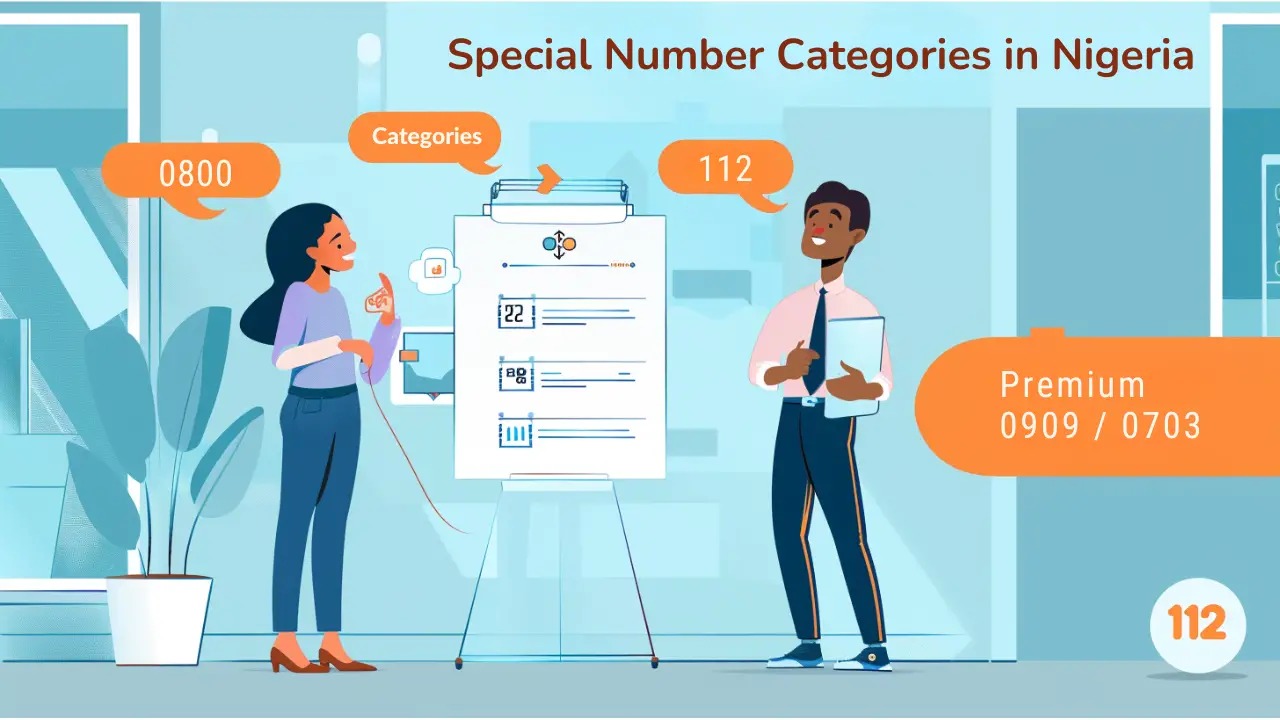
Nigeria's phone system has special numbers for customer service, public safety, and emergency help. It also covers a wide range of add-on call services.
Toll-Free, Premium Rate, and Emergency Numbers
| Number Type | Prefix | Purpose |
|---|---|---|
| Toll-Free | 0800 | Free customer support |
| Premium Rate | 0909, 0703 | Paid content services |
| Emergency | 112 | Police, fire, medical help |
Short Codes for Value-Added Services
Short codes provide quick access to services such as:
- Mobile banking (e.g., *737#)
- Promotional campaigns
- Information services
These short numbers are easy to remember and used a lot across Nigeria.
Number Portability in Nigeria
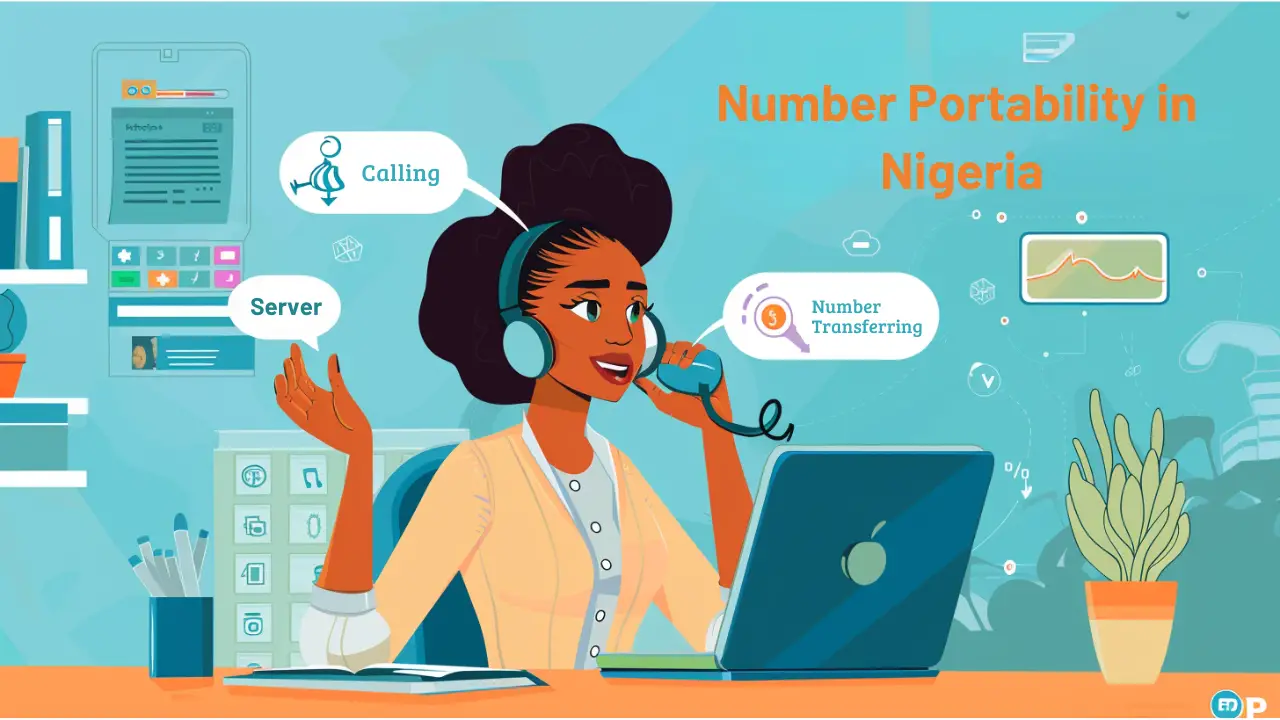
Mobile Number Portability lets users keep their phone numbers when they switch networks. The NCC brought it in in 2013. It boosts competition, gives users more choice, and pushes for better service quality across Nigeria's phone market.
Implementation and Current Status
The porting process includes:
- Requesting a port with the new provider
- Validation by both networks
- Completion within 48 hours
Though uptake is middling, MNP has given users more freedom.
Impact on Number Recognition and User Choice
- Prefixes no longer guarantee network identity
- Users can switch providers freely
- Operators compete on quality and pricing
This makes for a more customer-first phone market.
International Dialing to and from Nigeria
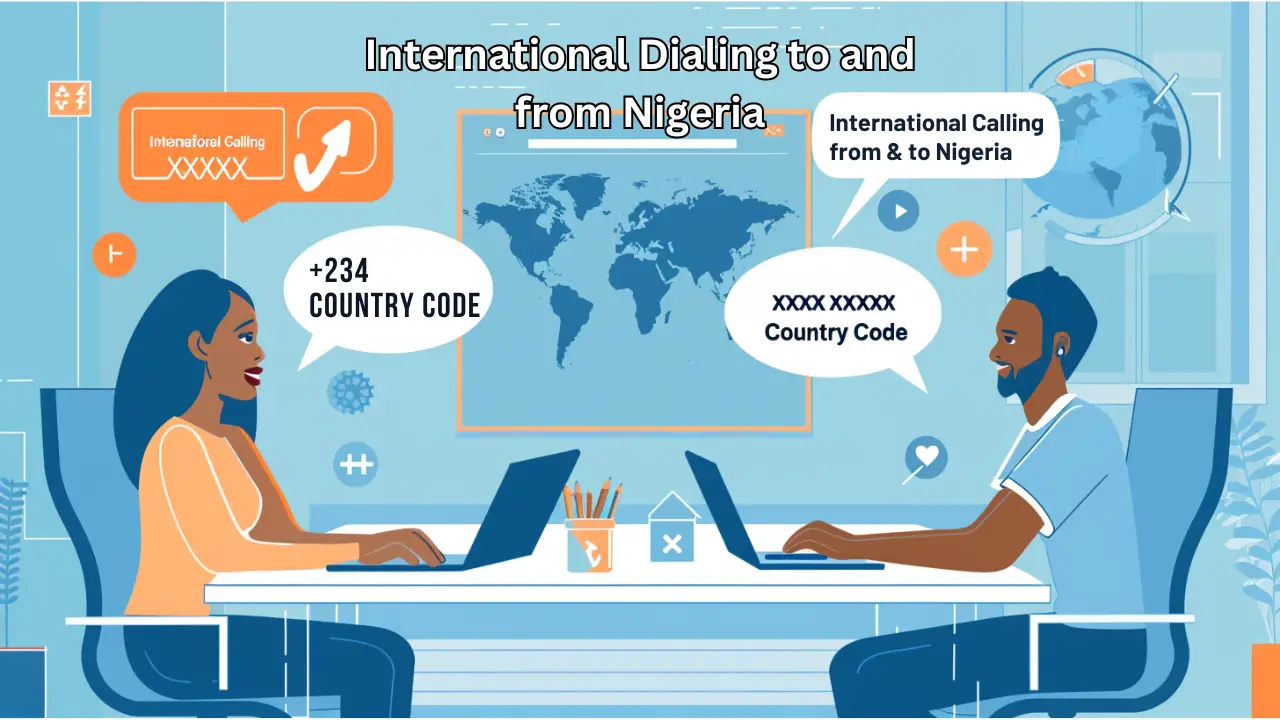
The International Telecommunication Union (ITU) hands out and runs country codes such as +234.
Using the Country Code +234
Nigeria's country code is +234. It takes the place of the leading zero in local numbers when dialing overseas.
Step-by-Step Guide for International Callers
Calling Nigeria:
- Exit code
- +234
- Area code (without 0)
- Local number
Calling from Nigeria:
- Exit code 009
- Destination country code
- Area code
- Local number
The Nigerian Communications Commission (NCC) and Regulations
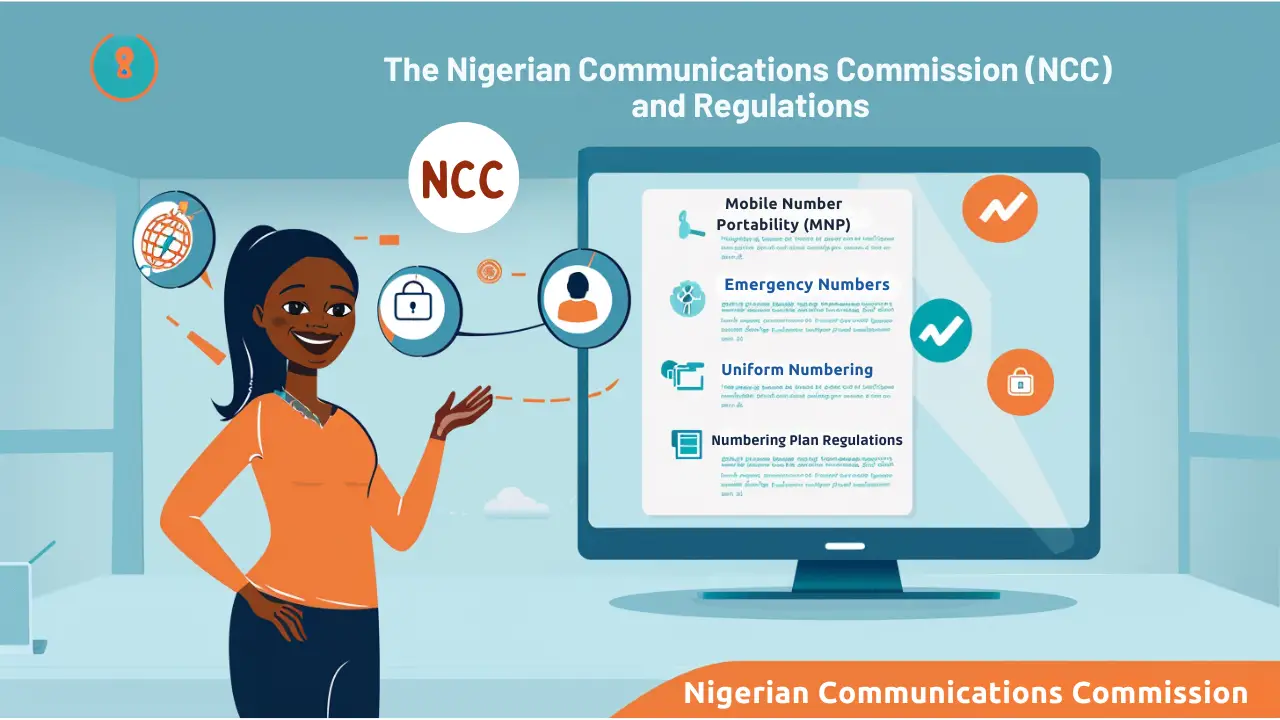
The NCC oversees Nigeria's phone industry and manages number allocation and rule-following.
NCC's Role in Number Allocation and Management
The NCC handles:
- National numbering plans
- Number block allocation
- Compliance monitoring
Key Policies Affecting Phone Numbering in Nigeria
- Mobile Number Portability
- Numbering plan regulations
- Emergency number access
These rules protect users and keep the system running well.
SIM Registration and Security Measures
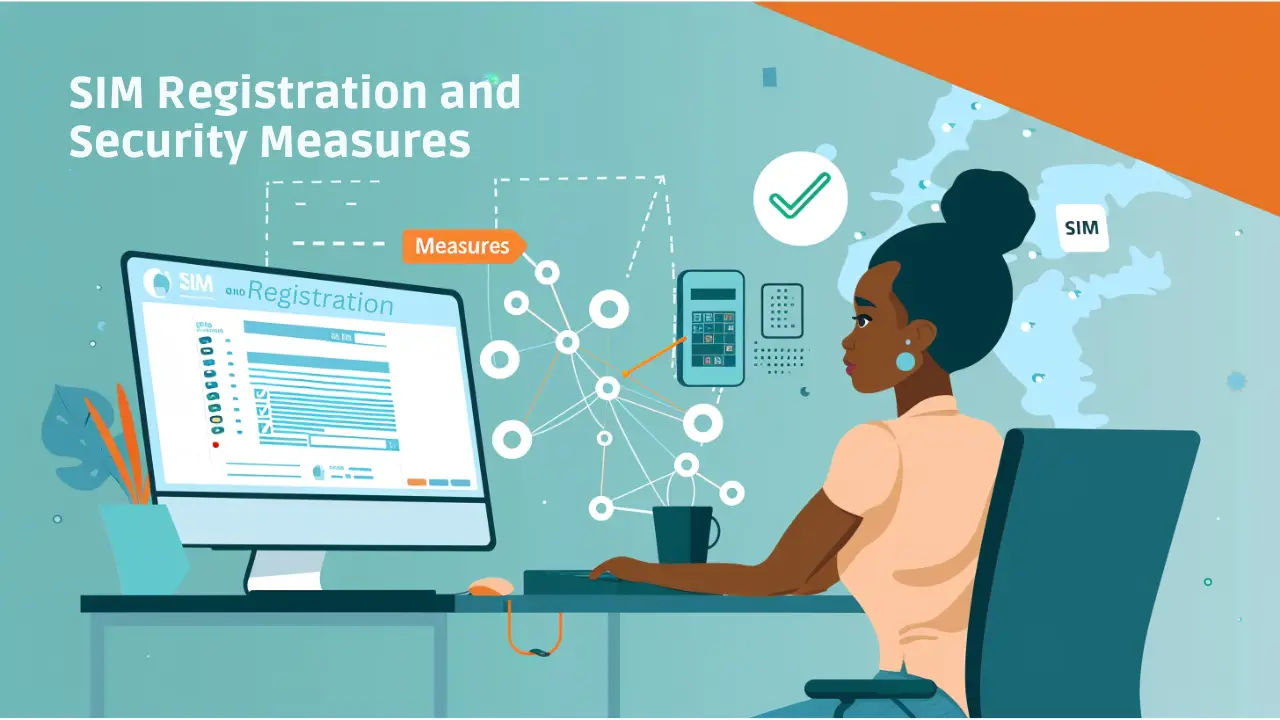
SIM registration links phone numbers to checked identities. This boosts national safety and keeps the network sound.
Importance of SIM Card Registration
SIM registration helps:
- Reduce fraud and crime
- Improve user accountability
- Support regulatory compliance
Impact on Number Allocation and Usage
It makes way for correct data gathering and better resource planning across phone networks.
Future Trends in Nigerian Telecommunications
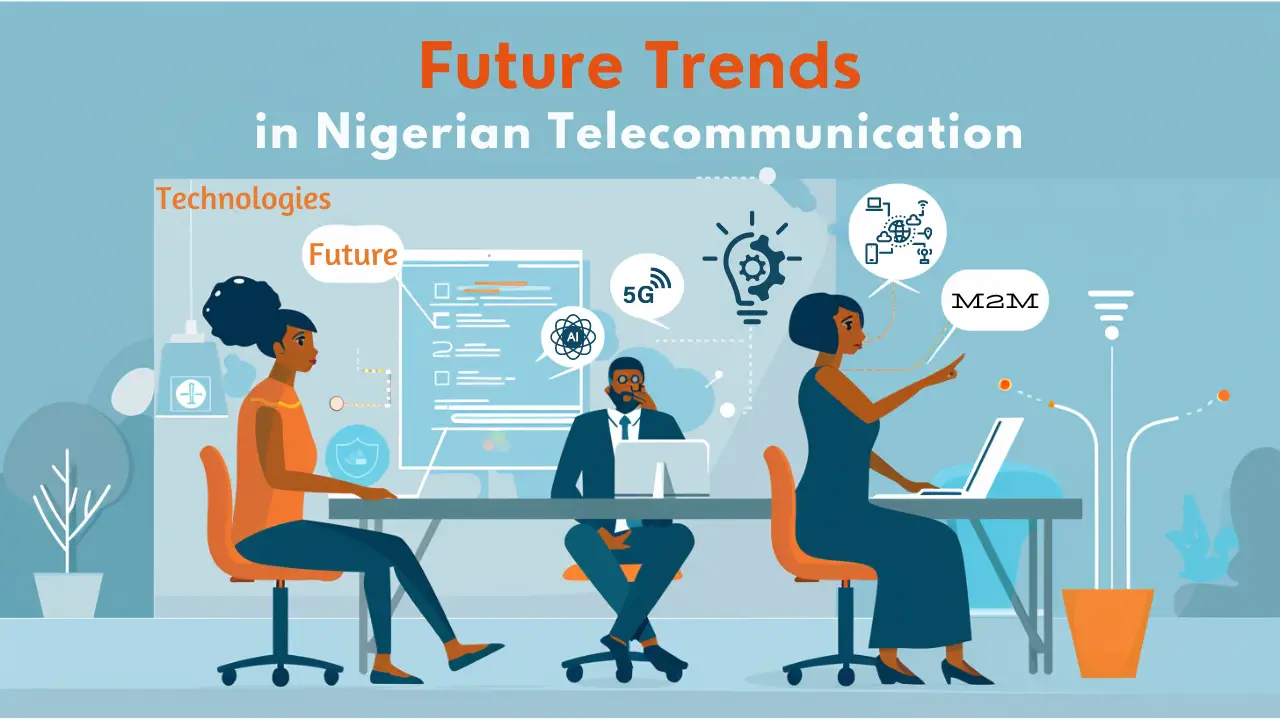
Nigeria's phone sector keeps changing with new tech and rising demand.
Potential Changes in the Numbering System
Future changes may include:
- Expanded number ranges
- Simplified numbering formats
Impact of Emerging Technologies
- 5G: Faster speeds and lower latency
- IoT: Increased demand for numbers
- AI: Smarter network management and security
Practical Guide: Correct Formatting of Nigerian Numbers
Proper formatting stops call failures and mix-ups.
Common Formatting Errors to Avoid
- Missing country code
- Extra zeros after +234
- Incorrect number length
Best Practices for Businesses and Individuals
- Use +234 for international listings
- Keep mobile numbers at 10 digits
- Separate digits with spaces for readability
“Nigerian mobile numbers follow a 10-digit format that applies to all mobile networks — a uniform structure that helps users recognize numbers quickly and reduces dialing errors.”
Nigerian Phone Culture and Etiquette
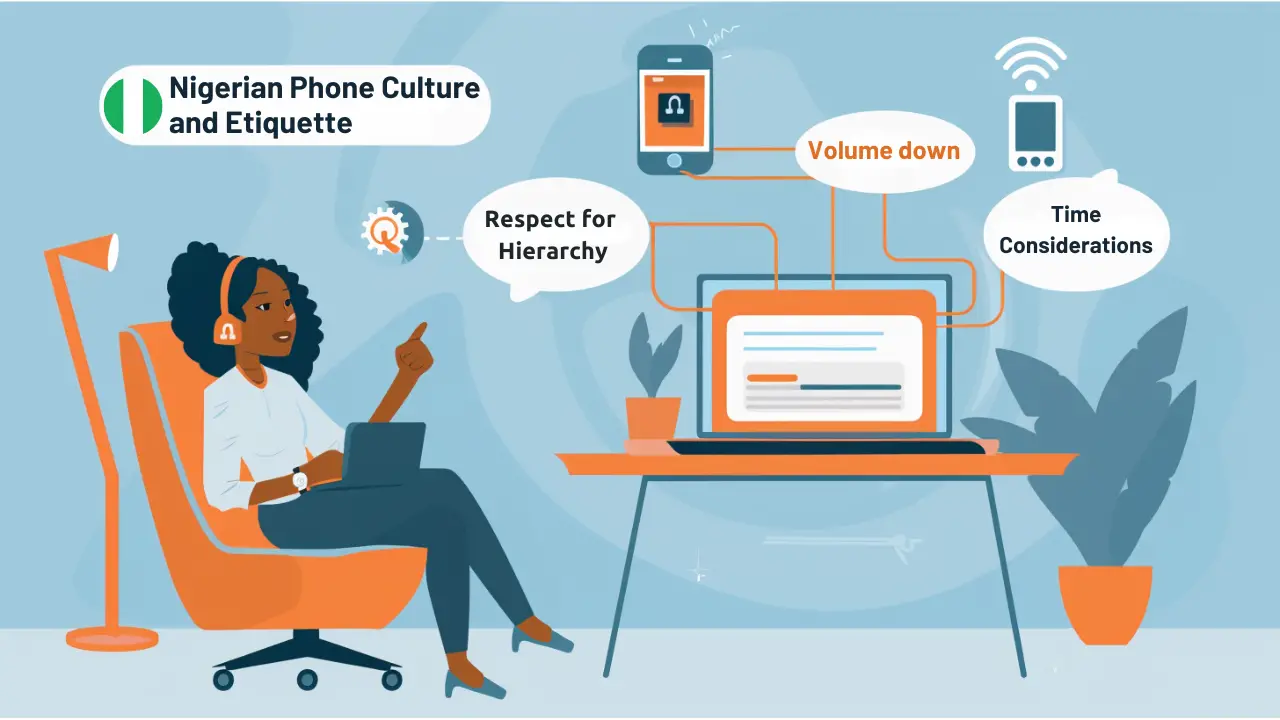
Knowing local etiquette makes calls go better.
Cultural Nuances in Phone Usage
- Start calls with greetings
- Avoid late-night business calls
- Respect hierarchy and titles
Business and Personal Call Etiquette Tips
- Business: Be punctual, professional, and follow up
- Personal: Be friendly, patient, and respectful
Conclusion
Knowing Nigerian phone numbers helps people and businesses talk with ease and trust. Knowing the right number formats, network prefixes, rules, and local customs cuts down on mistakes and betters the connection.
It also backs rule-following and makes sure calls route right across mobile and landline networks nationwide.
As Nigeria takes up new tech and grows its phone network, staying up to date is key. By using the right formatting and showing respect in phone etiquette, people and firms can talk with ease as Nigeria's digital call system keeps growing.
Providers like Teloz back this by giving full voice VoIP services.


