Introdução
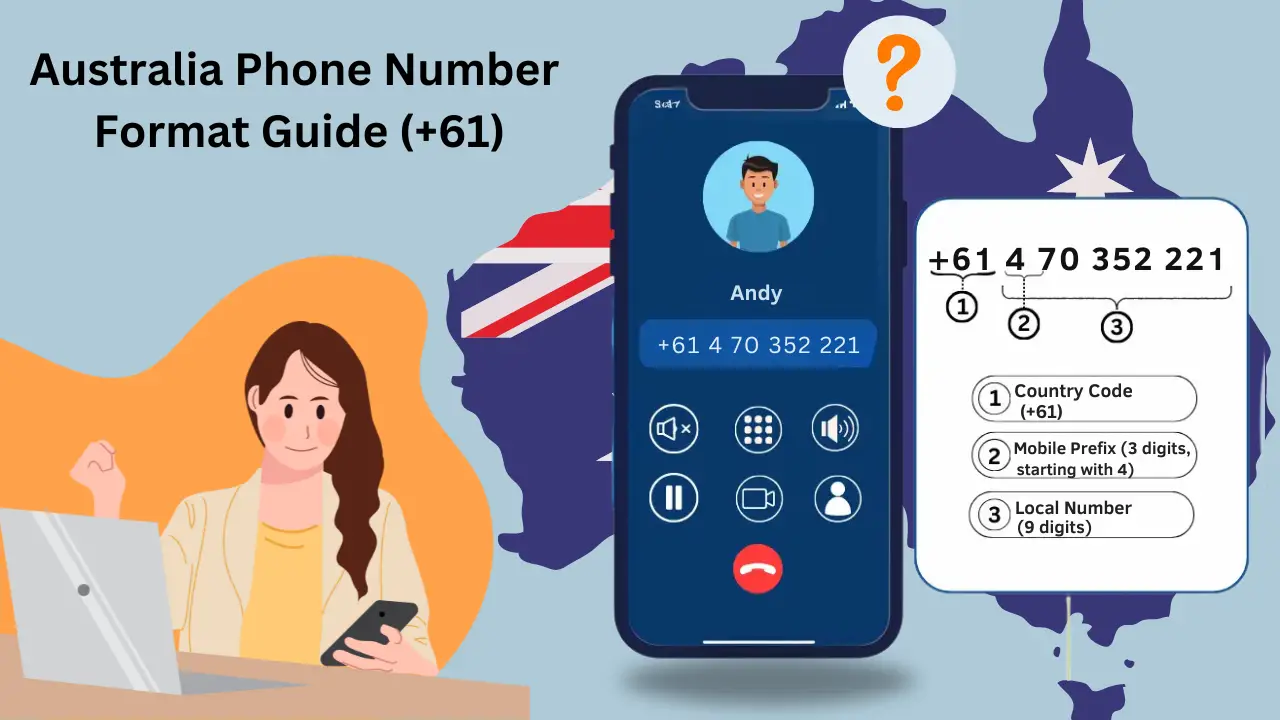
Obter o formato correto do número de telefone australiano é crucial para uma comunicação tranquila, esteja você expandindo seus negócios ou mantendo contato com amigos e familiares.
Compreender a estrutura dos números australianos garante que suas chamadas sejam conectadas corretamente, especialmente ao discar internacionalmente, com o Teloz facilitando conexões contínuas.
Este guia cobre tudo o que você precisa saber, desde discar +61 até evitar erros comuns de discagem.
Ao final, você terá todo o conhecimento para navegar na rede telefônica da Austrália e fazer chamadas internacionais sem esforço, tornando-se um profissional na discagem de números australianos.
- Estrutura: Os números australianos incluem código de país (+61), código de área.
- Celular x fixo: os números de celular são distintos porque sempre começam com 04.
- Regras de discagem: As chamadas internacionais perdem o zero inicial, simplificando a discagem com aplicativos de chamadas internacionais.
- Tecnologia moderna: provedores de VoIP e nuvem como Acepeak transformam o uso de números.
Qual é o formato do número de telefone da Austrália e como funciona?
O formato do número de telefone australiano é lógico e direto, abrangendo telefones fixos e dispositivos móveis. Veja como os componentes são estruturados e como funcionam juntos.
Explicação da estrutura do número de telefone
Um número de telefone australiano é composto de três partes distintas:
| Componente | Descrição | Exemplo |
|---|---|---|
| Código do país | O prefixo usado para direcionar chamadas do exterior para a Austrália. | +61 |
| Código de área | Um único dígito (internacionalmente) ou dois dígitos (nacionalmente) para uma região específica. | 2 (NSW) |
| Número local | O número exclusivo de 8 dígitos do assinante. | 1234 5678 |
Como diferentes componentes se encaixam
Para que uma chamada funcione, você deve organizar esses números corretamente.
Chamadas internacionais para a Austrália:
Se você estiver ligando dos EUA ou da Europa, siga esta fórmula:
- Disque seu código de saída internacional (por exemplo, 011 para os EUA, 00 para o Reino Unido).
- Adicione o código do país (+61).
- Etapa crucial: retire o '0' inicial do código de área ou número de celular.
- Disque os dígitos restantes.
- Exemplo: Para ligar para Sydney (02) dos EUA: 011 61 2 1234 5678.
Chamadas domésticas na Austrália:
- Local: basta discar o número local de 8 dígitos se você estiver na mesma área.
- Interestadual: Disque o Código Tronco (0) + Código de Área + Número Local.
- Exemplo: 02 1234 5678.
Importância de cada componente
Pense nisso como um endereço de correspondência. O Código do País é o país, o Código de Área é a cidade e o Número Local é o endereço. Se você perder uma, a ligação não terá para onde ir.
Contexto histórico e evolução dos números de telefone australianos
O sistema telefônico na Austrália nem sempre foi assim. Evoluiu junto com a tecnologia, supervisionada pela Autoridade Australiana de Comunicações e Mídia (ACMA).
Evolução do sistema de numeração de telefone na Austrália
No início de 1900, os números de telefone eram curtos e conectados manualmente pelas operadoras. À medida que a população da Austrália cresceu na década de 1950, foram introduzidos códigos de área. O Plano Nacional de Numeração de 1994-1998 padronizou números locais de 8 dígitos.
Principais mudanças ao longo dos anos
- Expansão dos códigos de área: Na década de 90, os códigos de área foram consolidados em um único dígito (como 2, 3, 7, 8) para permitir milhões de novos assinantes.
- Introdução de números móveis: À medida que a popularidade dos telefones celulares cresceu, eles receberam um intervalo dedicado começando com 04, distinto dos telefones fixos.
- Transição para VoIP: Hoje, provedores de tecnologia digital e VoIP como Acepeak permitem que as empresas usem números australianos pela Internet sem linhas físicas de cobre.
- Portabilidade numérica: No início dos anos 2000, a "portabilidade" permitia aos usuários trocar de provedor, como Telstra para Optus ou VoIP, mantendo seu número.
Formato de número de telefone australiano versus formatos de número de telefone de outros países
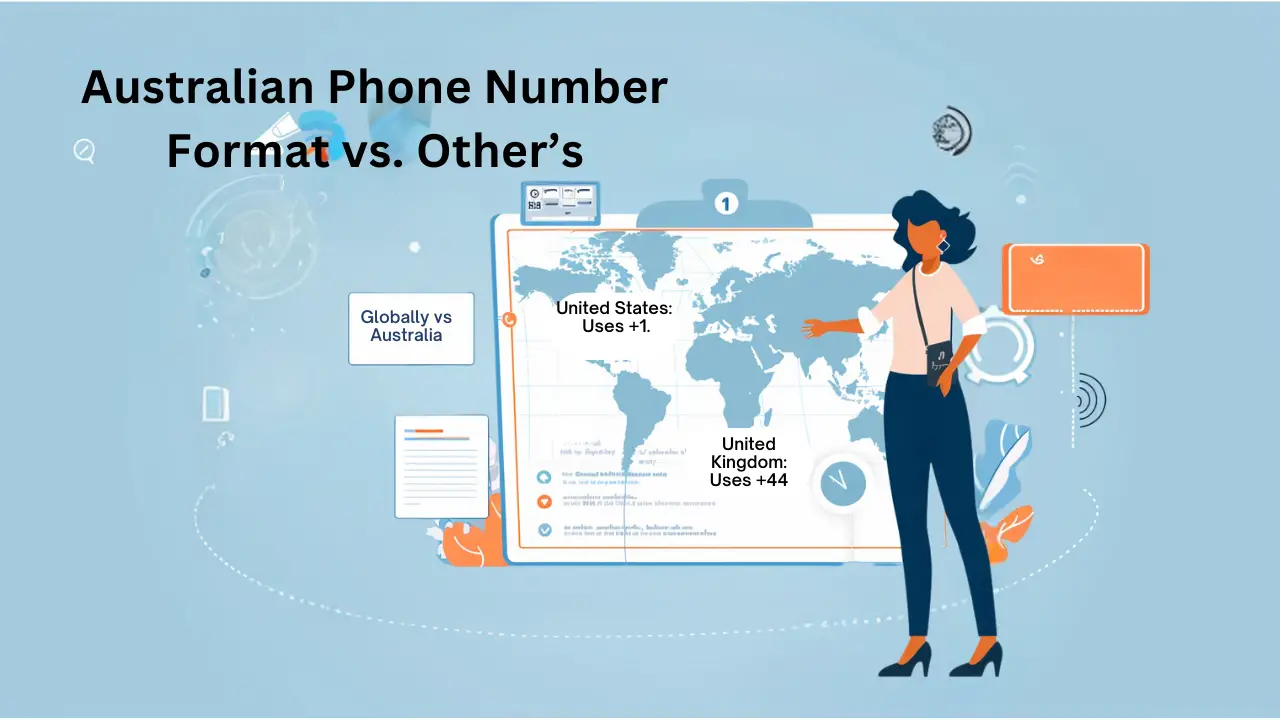
Quando você compara o formato do número de telefone australiano com outros sistemas, como os EUA, o Reino Unido ou as Filipinas formato de número de telefone, você notará algumas diferenças únicas.
Compreender essas distinções é essencial ao usar um aplicativo de chamadas internacionais, pois ajuda a evitar discagens incorretas e garante uma comunicação global precisa e confiável.
Comparação dos números de telefone australianos com os de outros países
- Austrália (+61): usa códigos de área de um dígito (por exemplo, 2) e números locais de 8 dígitos.
- EUA (+1): Usa códigos de área de três dígitos (por exemplo, 212) e números locais de 7 dígitos.
- Reino Unido (+44): Os códigos de área variam em comprimento (2–5 dígitos), tornando-os um pouco mais complexos.
Aqui está um instantâneo rápido:
| País | Código do país | Formato do código de área | Comprimento do número local | Prefixo móvel |
|---|---|---|---|---|
| Austrália | +61 | Único dígito (2, 3, 7, 8) | 8 dígitos | 04 |
| EUA | +1 | Três dígitos | 7 dígitos | Nenhum (igual ao telefone fixo) |
| Reino Unido | +44 | Variável (2–5 dígitos) | 6–8 dígitos | 07 |
Exemplos de vários países
- Austrália: +61 2 1234 5678
- EUA: +1 212 555 1234
- Reino Unido: +44 20 1234 5678
O prefixo "04" distinto para celulares australianos é um diferencial importante - ao contrário dos EUA, onde você não pode dizer se um número é móvel ou fixo apenas olhando para ele.
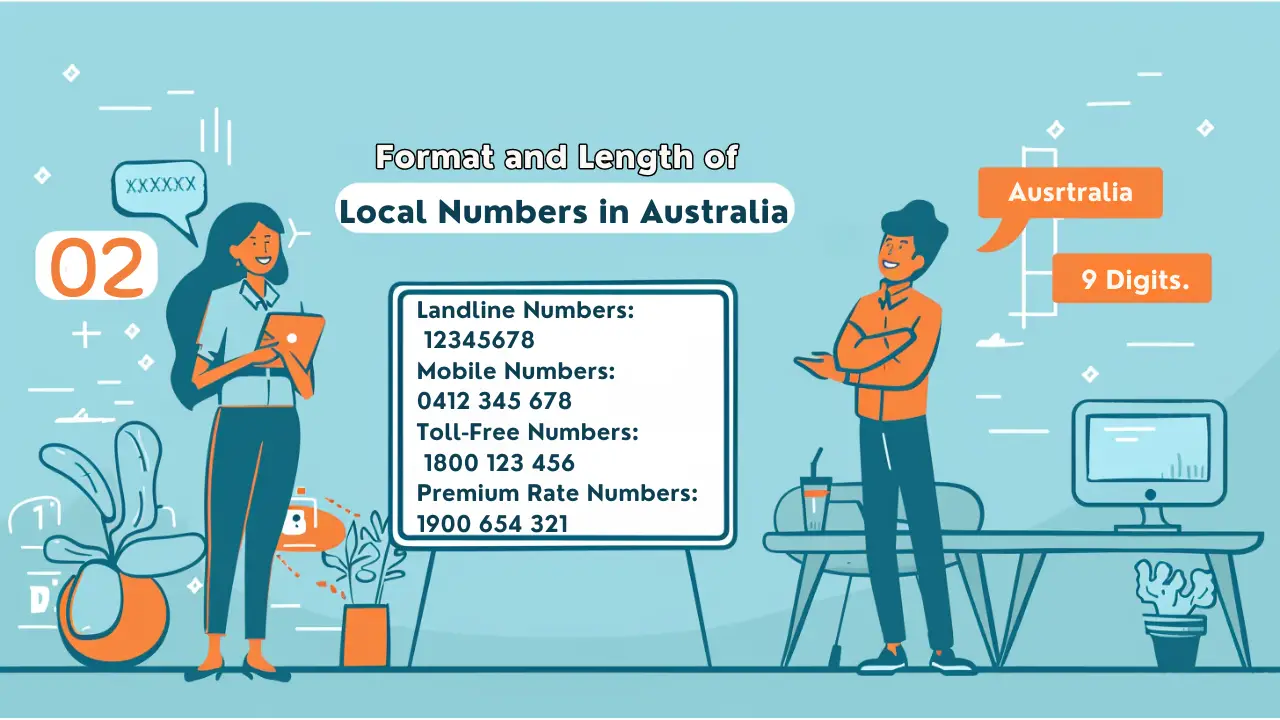
Formato e comprimento dos números locais na Austrália
Precisão é tudo. Os números australianos seguem um padrão rígido para garantir que as chamadas sejam roteadas para o estado ou dispositivo correto.
Diferenças entre números fixos e móveis
Números fixos
Eles estão vinculados a um local físico. Eles começam com um prefixo de 2 dígitos (código de área + código de tronco 0) seguido por 8 dígitos.
- Formato: (0x) xxxx xxxx
- Exemplo: (02) 9876 5432 (Sydney/NSW) ou (03) 9876 5432 (Melbourne/VIC).
Números de celular
Estes são pessoais e não vinculados a uma cidade específica.
- Formato: 04xx xxx xxx
- Exemplo: 0412 345 678.
- Detalhe principal: todos os números de celular padrão na Austrália começam com 04.
Números especiais (por exemplo, ligação gratuita, tarifa premium)
- Ligação Gratuita (1800): Gratuito para quem liga, esse prefixo é adequado para linhas de atendimento ao cliente.
- Tarifa Local (1300): O custo é dividido entre o chamador e a empresa.
- Tarifa Premium (1900): Estas ligações são caras, utilizadas para concursos ou aconselhamento.
Números de serviços especiais na Austrália
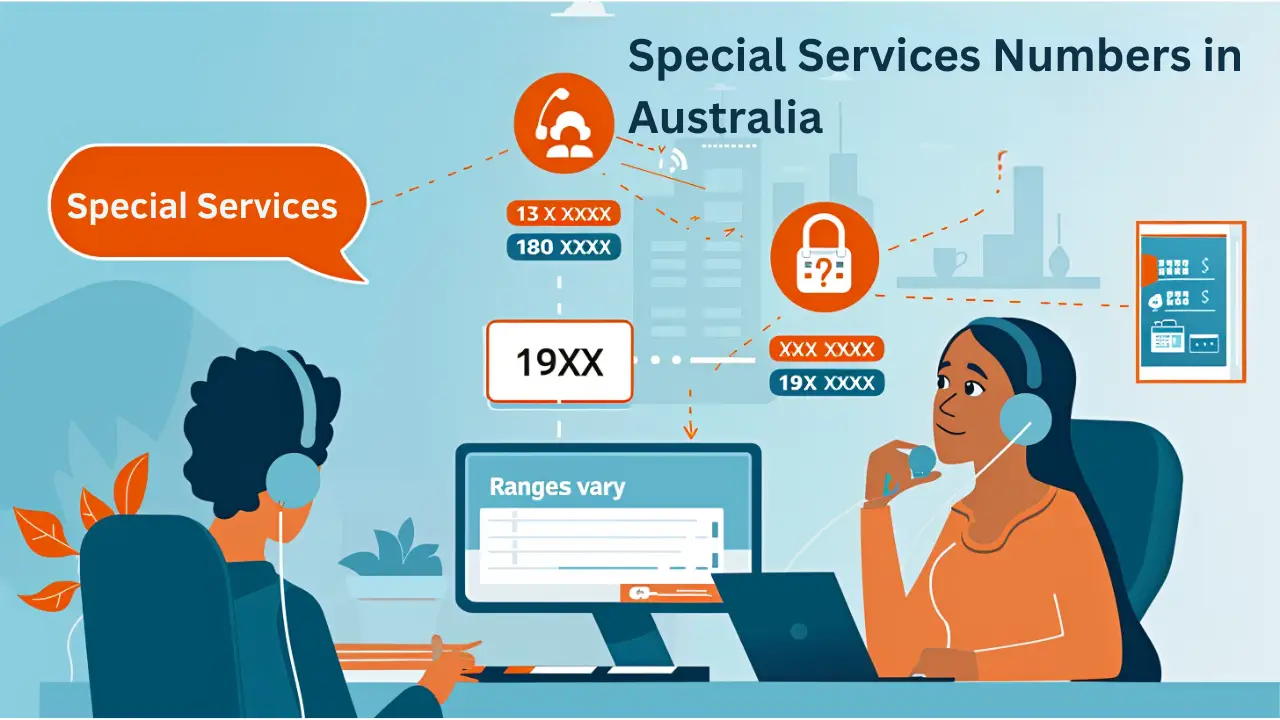
Além das chamadas padrão, a Austrália dedicou códigos curtos para serviços públicos. Estes são principalmente para uso doméstico e geralmente não podem ser discados do exterior.
Serviços de emergência (por exemplo, 000)
- 000 (Triplo Zero): Este número crítico é gratuito para emergências.
Números do governo e dos serviços públicos
- 13 Números: Números curtos como 13 11 14 atendem organizações.
- Serviços governamentais: Linhas como o Medicare normalmente usam números 13 ou 1300.
Linhas de atendimento comercial e ao cliente
Para empresas que usam sistemas telefônicos em nuvem como Acepeak, é importante escolher o prefixo certo:
- 1800: Sinais "Nós nos preocupamos com você" (já que a ligação é gratuita) - um número gratuito atende às linhas de suporte ao cliente.
- 1300: Sinaliza uma presença profissional e nacional.
Convenções de discagem dentro e fora da Austrália
Muitas vezes surge confusão ao alternar entre discagem local e internacional. Aqui está a folha de dicas.
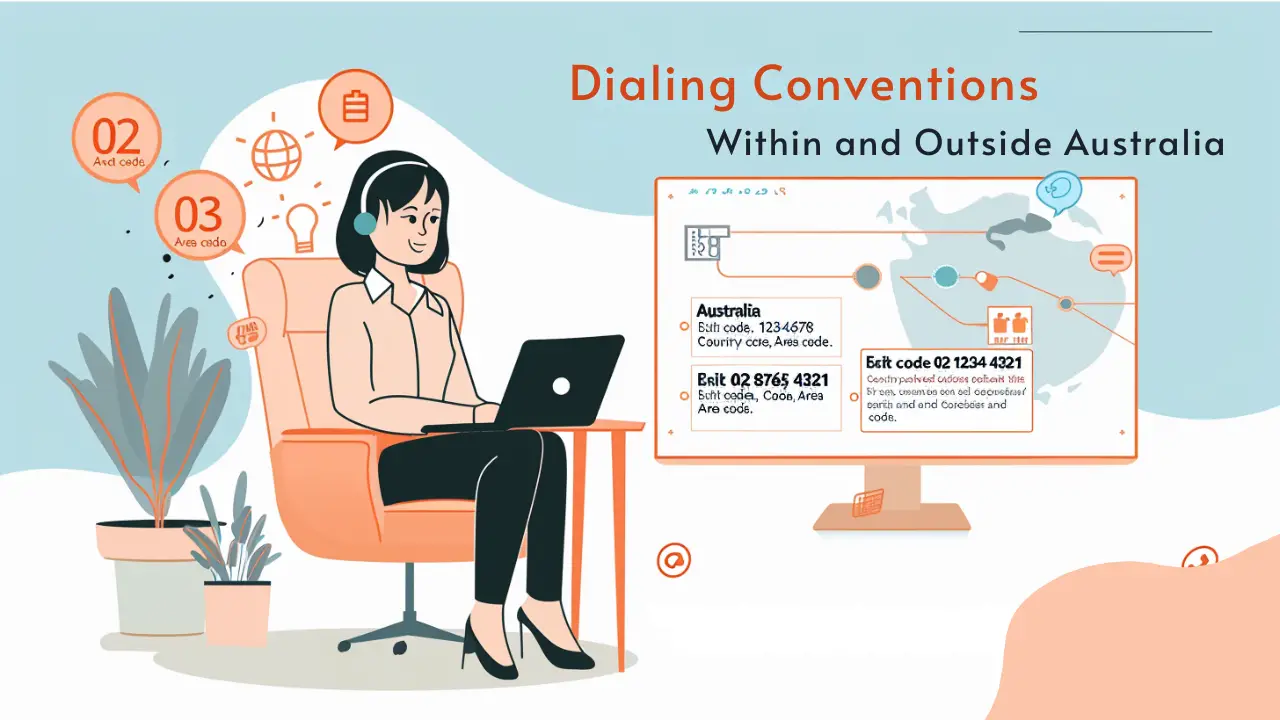
Como discar dentro da Austrália
- Telefone Fixo Local: Disque os 8 dígitos diretamente (por exemplo, 9876 5432).
- Interestadual: adicione o código de área com zero (por exemplo, 03 9876 5432).
- Celulares: sempre disque os 10 dígitos completos (por exemplo, 0412 345 678).
Como ligar para a Austrália de outros países
É aqui que a maioria das pessoas comete erros.
- Código de saída: Disque para fora do seu país (011 para os EUA, 00 para a Europa).
- Código do país: Disque 61.
- Código de Área/Celular: Disque o código SEM o zero.
- Correto: +61 4…
- Incorreto: +61 04…
Uso de códigos de discagem internacionais
O símbolo + nos telefones celulares é um salva-vidas. Ele insere automaticamente o código de saída correto para onde você estiver. Se você salvar contatos australianos em seu telefone, salve-os sempre no formato: +61 4xx xxx xxx.
Portabilidade numérica e conformidade regulatória na Austrália
A liberdade de escolha é um grande negócio no mercado australiano de telecomunicações.
Políticas de Portabilidade Numérica
A portabilidade de número local sem fio (WLNP) e a portabilidade de número de celular (MNP) garantem que você seja o proprietário do seu número, não da companhia telefônica.
- Como funciona: se você mudar de uma operadora tradicional para um provedor de VoIP como Acepeak, poderá trazer seus números comerciais existentes com você.
- Prazo: a portabilidade do número de celular leva minutos; telefones fixos, dias.
Órgãos Reguladores e Compliance
O sistema é mantido justo por alguns atores importantes:
- ACMA: Define as regras para numeração e licenças de operadora.
- TIO (Ombudsman da Indústria de Telecomunicações): Resolve reclamações sobre portabilidade de números e problemas de cobrança.
- Communications Alliance: Desenvolve padrões técnicos que garantem que as chamadas sejam conectadas claramente em diferentes redes.
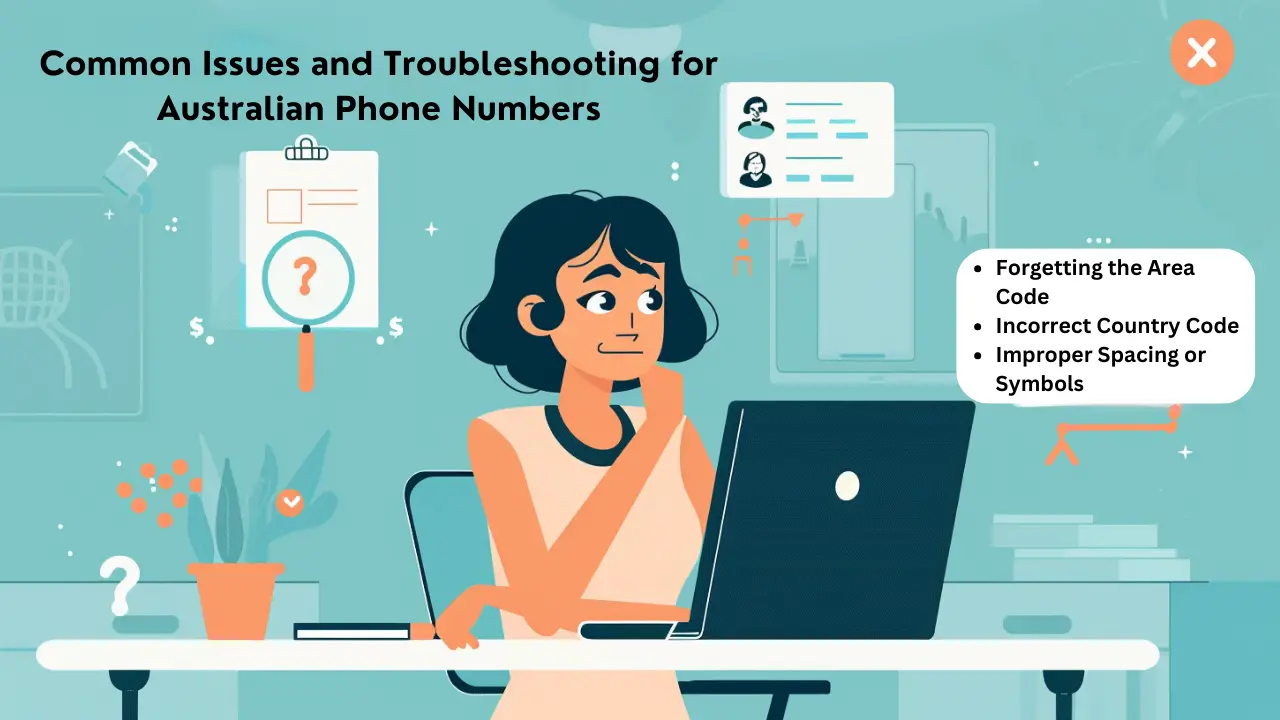
Problemas comuns e solução de problemas para números de telefone australianos
Mesmo com um sistema simples, erros acontecem. Veja como corrigir as falhas de conexão mais frequentes.
Discagem incorreta e formatos incorretos
- O erro "Double Zero": discar +61 02 em vez de +61 2 causa falha.
- Código de país errado: discando acidentalmente +43 (Áustria) em vez de +61 (Austrália).
- Problemas de espaçamento: Evite travessões; use o formato E.164 para discadores digitais.
Como resolver problemas comuns
- Verifique o prefixo: certifique-se de estar usando +61.
- Remova o zero inicial: se o número começar com 04, disque +61 4…
- Verifique as permissões de rede: certifique-se de que seu PBX suporta chamadas internacionais da Oceania.
- Verifique o número: confirme se o número do destinatário é fixo ou celular.
“O prefixo "04" distinto para celulares australianos é um diferencial importante - ao contrário dos EUA, onde você não pode dizer se um número é móvel ou fixo apenas olhando para ele.”
Tendências futuras na numeração telefônica australiana
A linha telefônica tradicional está desaparecendo. À medida que a Austrália avança em direção a um cenário NBN (Rede Nacional de Banda Larga) totalmente digital, os números de telefone também estão mudando.
Mudanças nos planos de numeração
Com o crescimento da população, a ACMA monitora constantemente o fornecimento de números. Poderemos eventualmente ver:
- Novos códigos de área:Se a faixa “04” for preenchida, novos prefixos móveis poderão ser lançados.
- Números mais longos: expandir o comprimento dos números locais é uma possibilidade para o futuro.
Impacto dos avanços tecnológicos
- Domínio de VoIP: As empresas usam soluções em nuvem como Acepeak para gerenciar chamadas, reduzindo custos.
- Presença Virtual: Agora você pode ter um número "Sydney" (02) enquanto estiver em Londres.
- Comunicações unificadas: os números de telefone estão se tornando apenas uma parte de uma identificação maior que inclui vídeo, chat e e-mail.
Conclusão
Navegar no formato do número de telefone australiano é mais fácil do que parece. Ao compreender o código do país (+61), o código de área e as regras específicas para números de celular, você poderá discar corretamente.
Este conhecimento garante uma comunicação tranquila, quer você esteja ligando localmente ou internacionalmente, sem encontrar problemas.
À medida que a tecnologia evolui, serviços como Teloz, Acepeak e VoIP tornam esses números mais flexíveis do que nunca.
Esteja você ligando para uma agência governamental em um número 1300 ou enviando uma mensagem de texto para um amigo em seu celular 04, seguir essas regras de formatação garante que você permaneça conectado sem a dor de cabeça de falhas nas chamadas.


